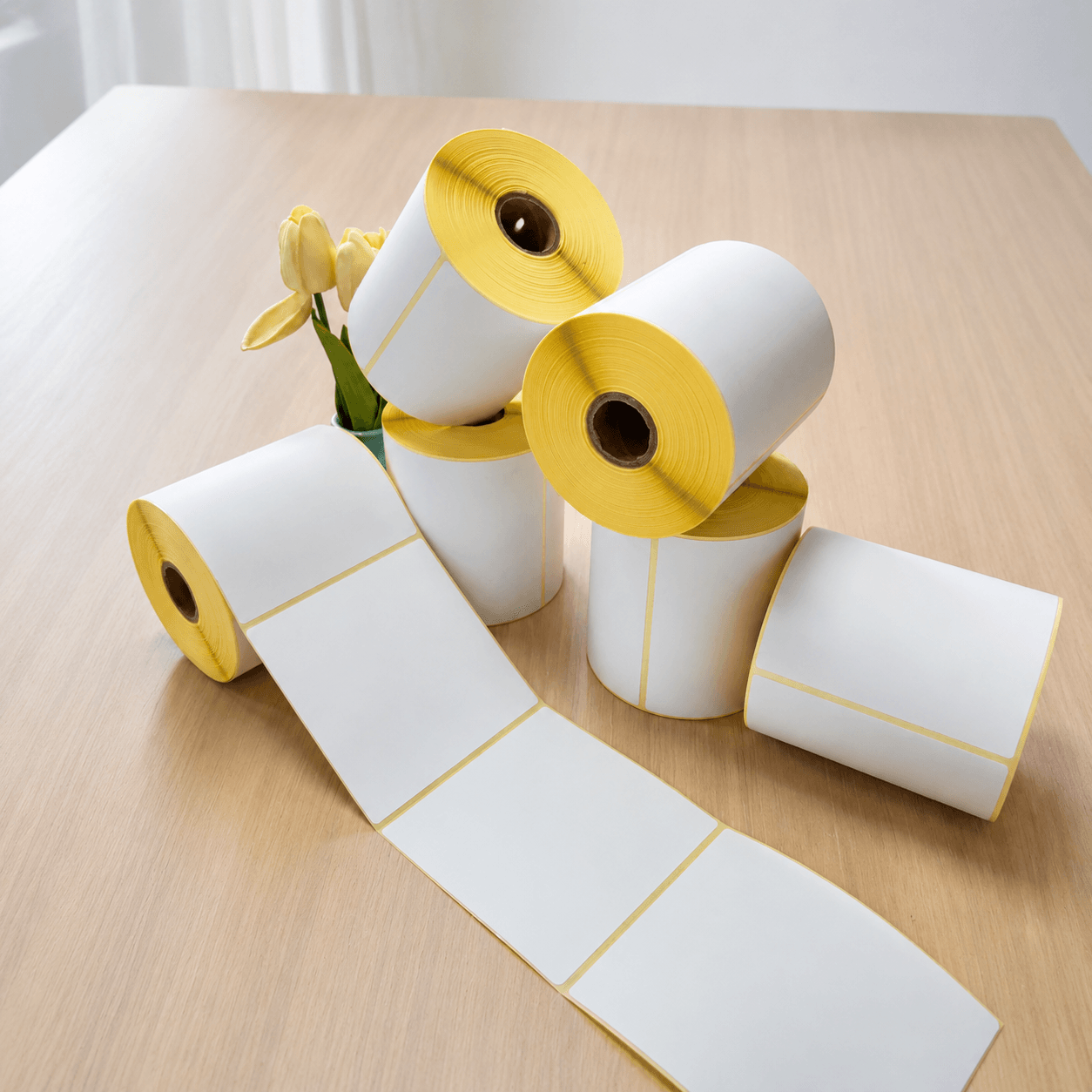
Facestock
- Option A
- Coated paper for controlled indoor identification
- Option B
- Synthetic film for moisture, abrasion, or chemicals
- Choose by
- Service environment, durability target, printer, and validation test
Industry solutions · New
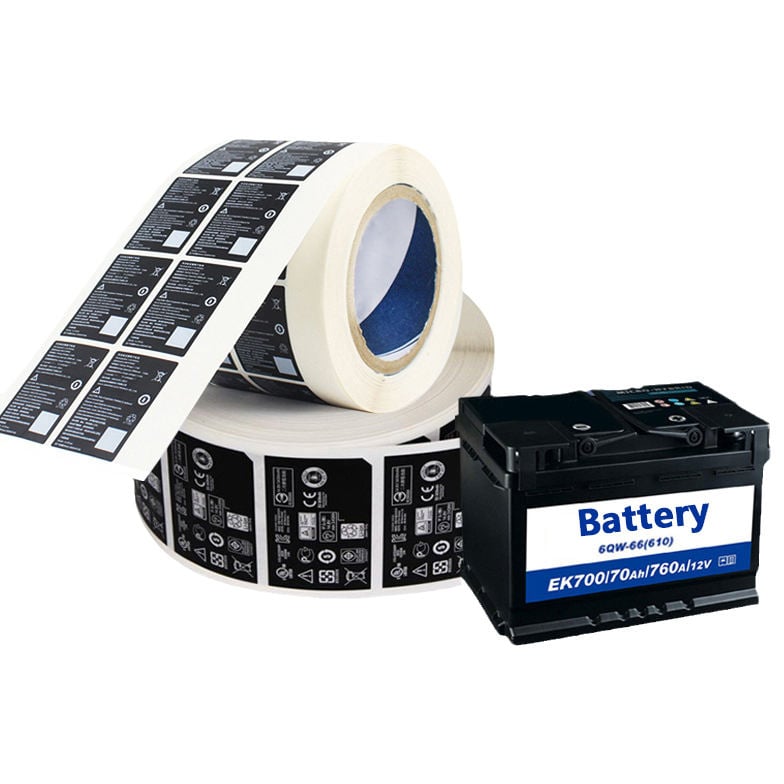
Thermal and thermal-transfer labels for automotive parts, industrial manufacturing, warehouse identification, and work-in-process tracking. Material selection depends on the substrate, surface texture, temperature profile, chemical and abrasion exposure, barcode requirement, and application method. Available constructions include paper and synthetic facestocks with permanent or high-tack adhesives. Where a customer workflow references VDA, OEM, or other industry formats, the finished label is produced from the buyer's approved drawing and data specification. Exposure and adhesion claims should be confirmed with application samples under the intended process conditions.
We help buyers confirm operating risk, required documents, product fit, packaging, and the repeat-order plan before bulk production.
Buyer insight
These notes translate internal market research into the practical questions procurement, operations, and maintenance teams usually ask before switching supply.
Solution comparison
These are decision paths, not fixed performance claims. Confirm the final construction with the named printer, application, environment, destination requirements, and approved sample.
Sourcing path
For automotive & industrial buyers, the right quote depends on terminal fit, barcode or print reliability, batch control, documents, packaging, and destination.
Prepared by the Zhixin Paper product and quality team. Final material, compliance, printer fit, image life, and performance requirements are confirmed against the buyer's application, destination market, and approved sample before production.
Review our documented controls, available compliance files, and sample process before approving a purchasing specification.
Evidence answers
Each answer states the decision condition and its verification path. It does not replace the named printer, material, destination, document, or production-intent sample required by the project.
Compare Coated paper for controlled indoor identification with Synthetic film for moisture, abrasion, or chemicals. Neither option is universally preferable; the purchasing specification should record the project conditions and the approved construction. Technical guidance supports specification planning, document review confirms only its stated scope, and application suitability requires representative sample testing.
Verify against: Service environment, durability target, printer, and validation test
Compare Permanent adhesive for clean smooth surfaces with Specialty adhesive for textured, curved, oily, or low-energy surfaces. Neither option is universally preferable; the purchasing specification should record the project conditions and the approved construction. Technical guidance supports specification planning, document review confirms only its stated scope, and application suitability requires representative sample testing.
Verify against: Substrate, preparation, application temperature, and service exposure
Compare Direct thermal for short-process labels with Thermal transfer for durable parts and asset identification. Neither option is universally preferable; the purchasing specification should record the project conditions and the approved construction. Technical guidance supports specification planning, document review confirms only its stated scope, and application suitability requires representative sample testing.
Verify against: Retention, ribbon compatibility, abrasion, heat, and chemical exposure
Supporting resources
Qualification routes support project planning, not universal outcomes. Guides and compliance pages support specification planning; final suitability still depends on the selected construction, destination, application, current documents, and approved sample.
Project qualification
Confirm the printer, material, documents, and acceptance checks before bulk approval.
Review resourceTechnical guide
Select the print method by retention, heat, abrasion, chemicals, ribbon, and service environment.
Review resourceCompliance review
Confirm substance scope and any electrical-product relevance for the exact construction and use.
Review resourceRecommended Products
Industry FAQ
Use these answers to prepare a comparable specification. Final performance is validated against the named printer, material, environment, and destination requirements.
Common options include Chemical Resistant Labels, High Temperature Labels, Direct Thermal Labels. The final selection depends on the printer, dimensions, sensing method, application surface, operating environment, and required retention period.
Provide Substrate and surface texture, Temperature range, Chemical and abrasion exposure, Barcode requirement, Application method, Validation sample quantity. These details allow suppliers to compare the same specification instead of quoting only by a general paper or label name.
Share the exact printer or terminal model and test a production-intent sample in the real workflow. Check feeding, cutting, sensor response, print density, barcode readability, adhesion where relevant, and handling after storage.
Review Facestock or adhesive chosen without exposure testing, Chemical or abrasion damage, Label lift on textured parts, Barcode failure after production processes. Agree measurable acceptance criteria and the document pack before bulk production.
No. Suitability depends on the selected material, test conditions, destination rules, printer, storage, and application. Request the relevant declaration or test file and approve a sample against the project requirements.
We will review product fit, samples, documents, packing, lead time, and shipping terms for your destination.