Thermal Labels
Complete range of thermal labels for shipping, logistics, healthcare, cold chain, industrial, and specialty applications. Direct thermal and thermal transfer options available.
Choose the right label route

Direct Thermal Labels
4 x 6 Shipping Labels — Roll & Fanfold, No Ribbon
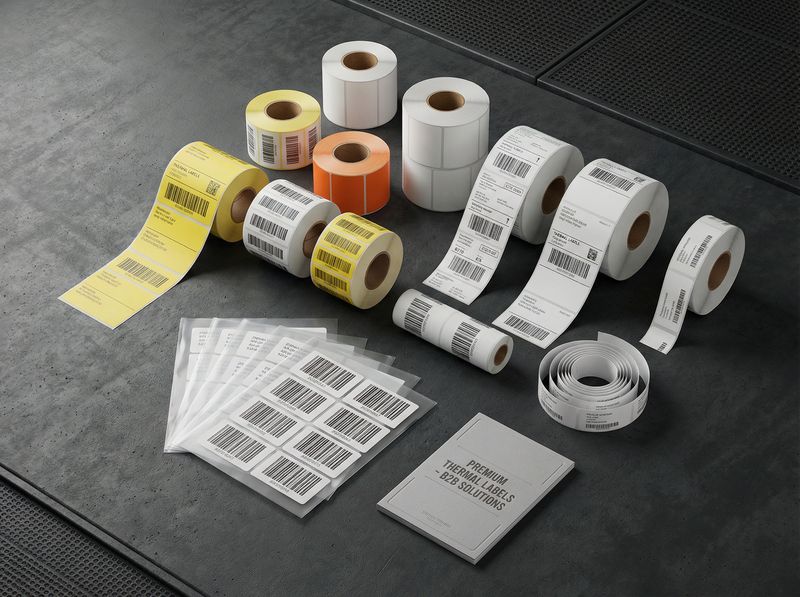
Barcode & Warehouse Labels
Inventory, Pallet & Bin Location Labels
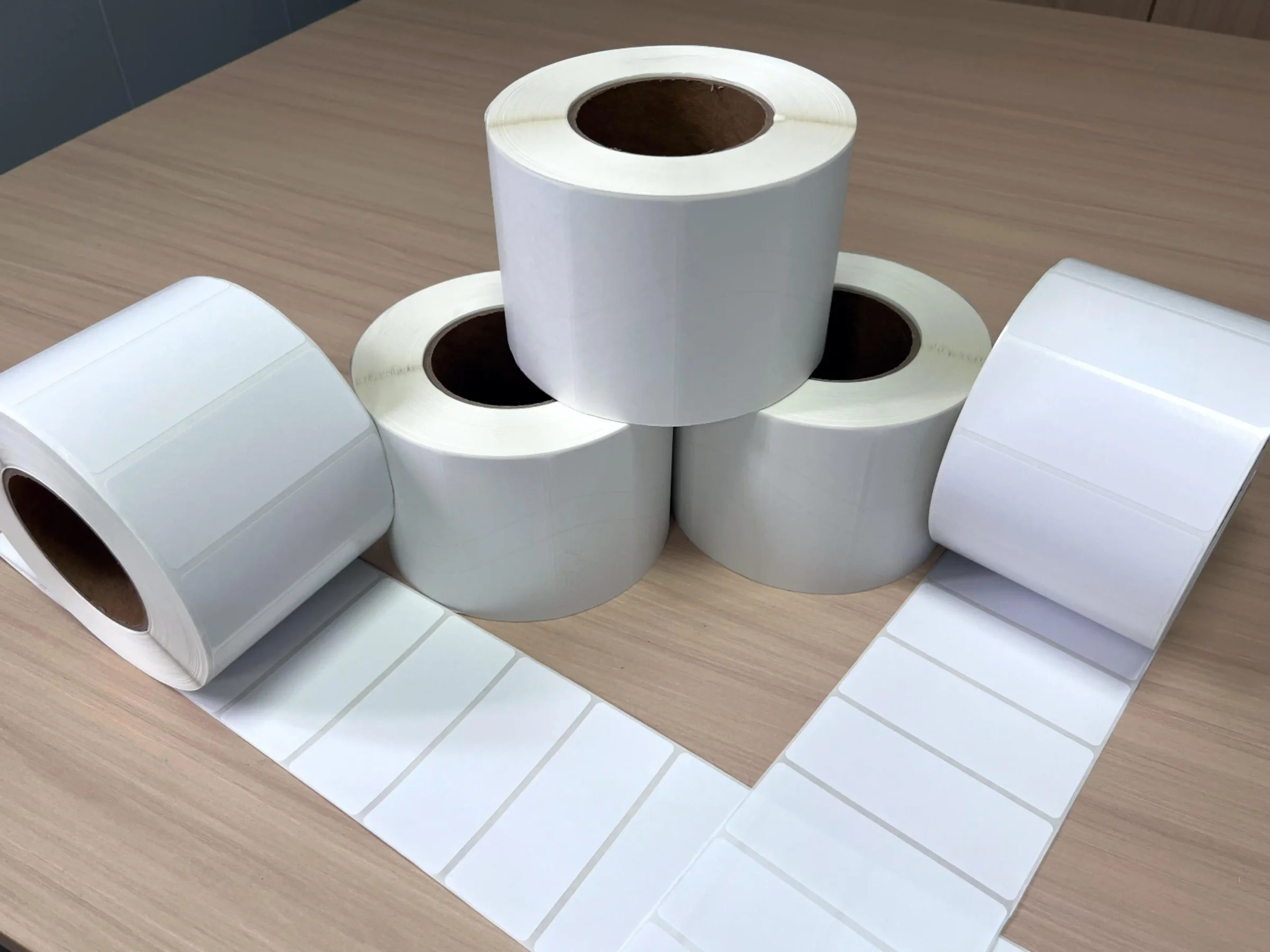
Thermal Transfer Labels
Durable Long-Life Labels
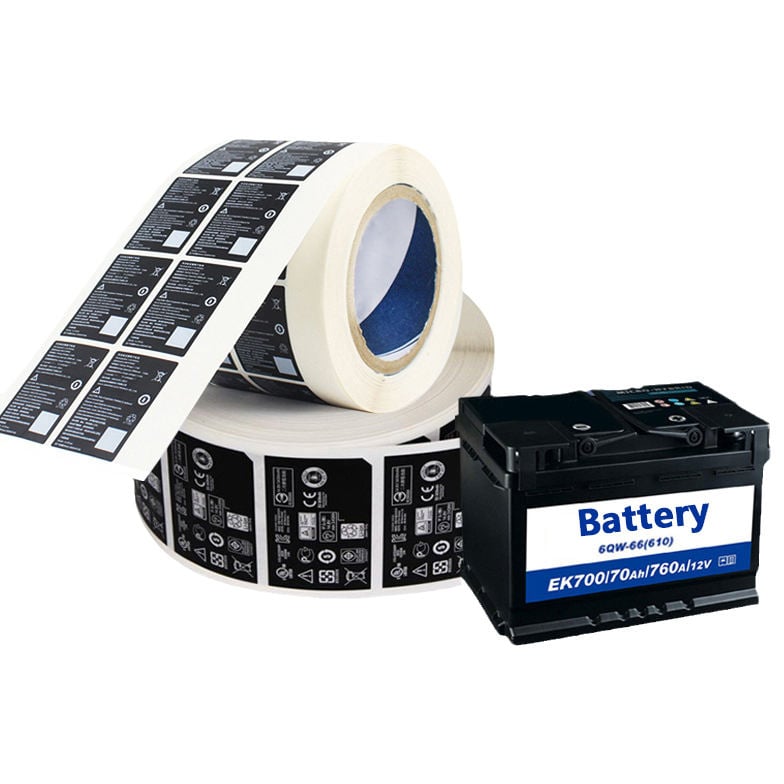
High Temperature Labels
SEOHeat-Resistant Industrial Labels
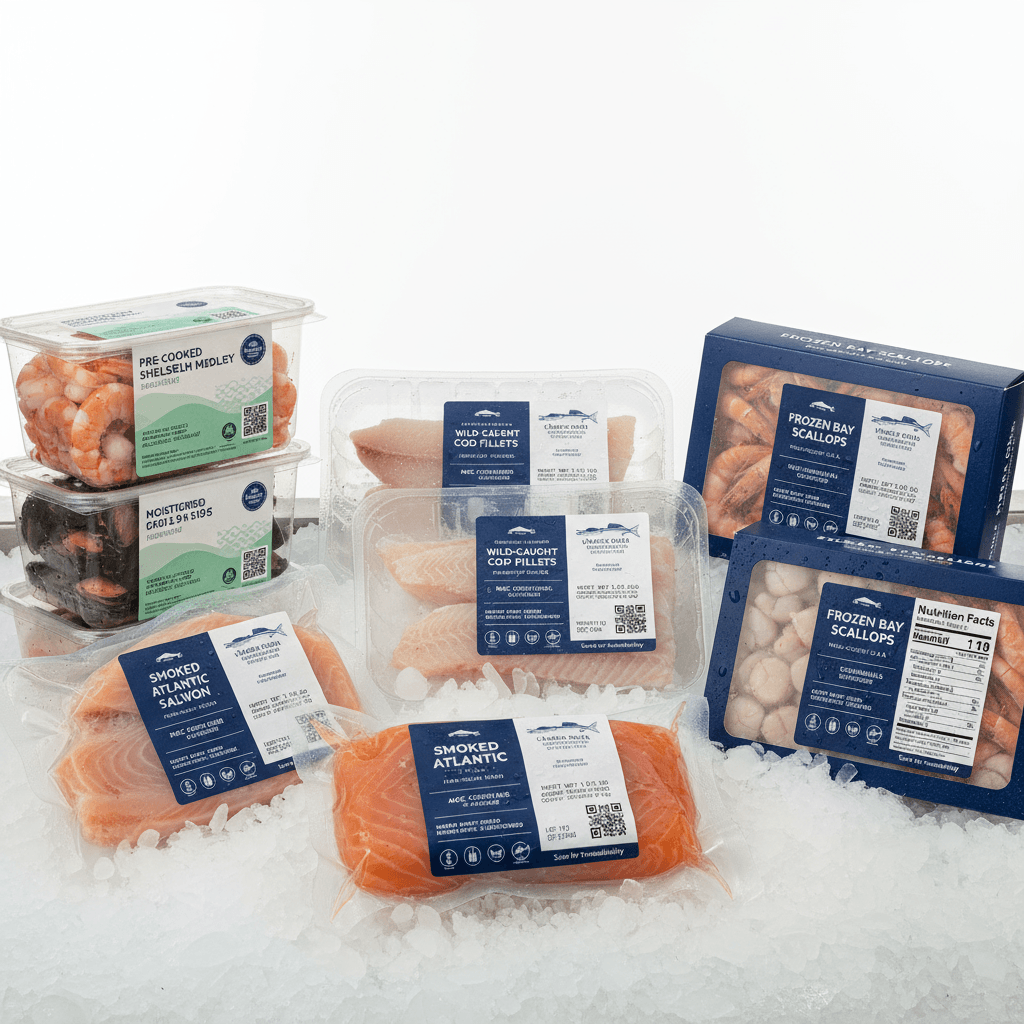
Freezer & Cold Chain Labels
SEOCryo & Freeze Labels

Removable Labels
Clean Peel Labels
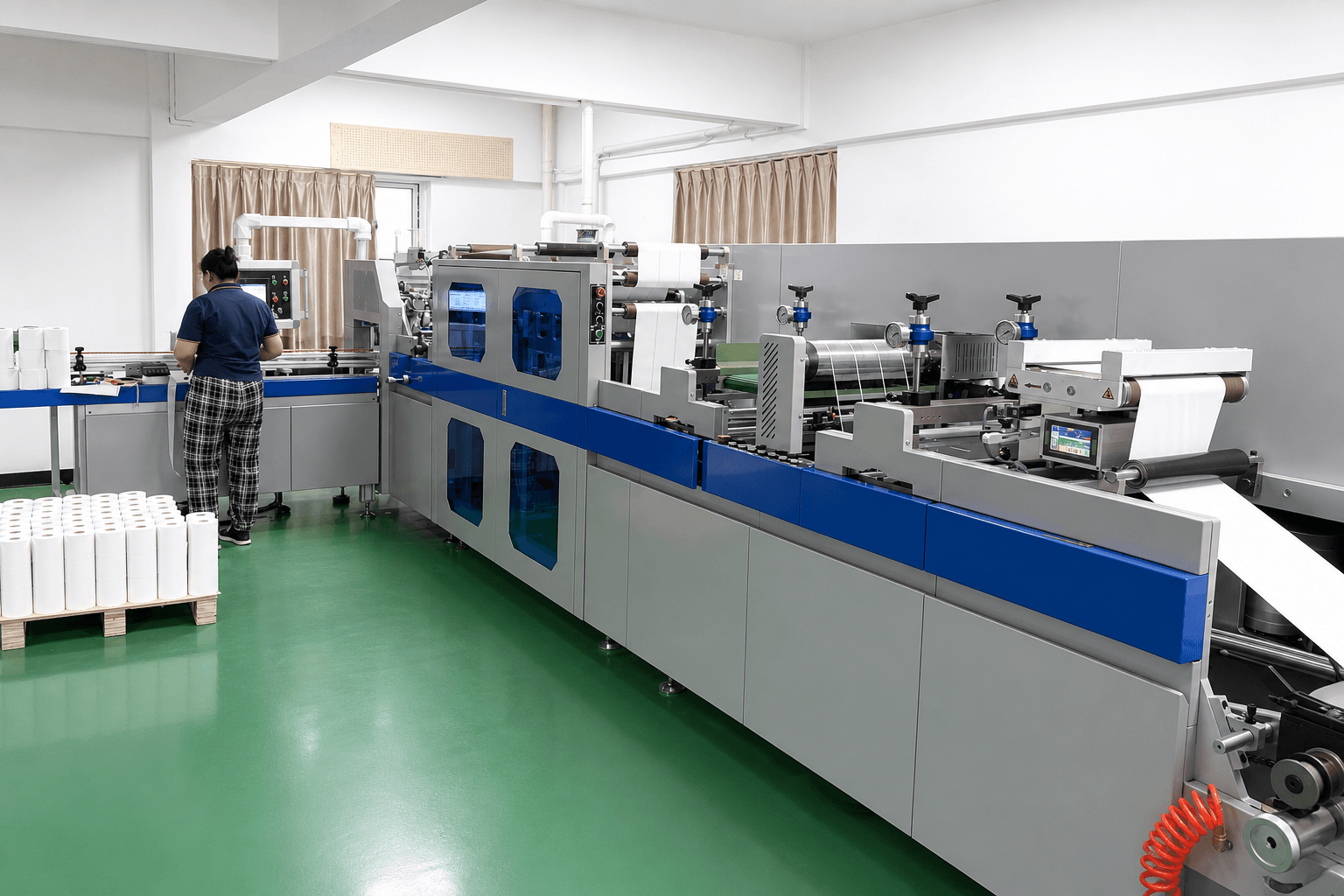
Synthetic PP Labels
Moisture & Tear-Resistant Label Options
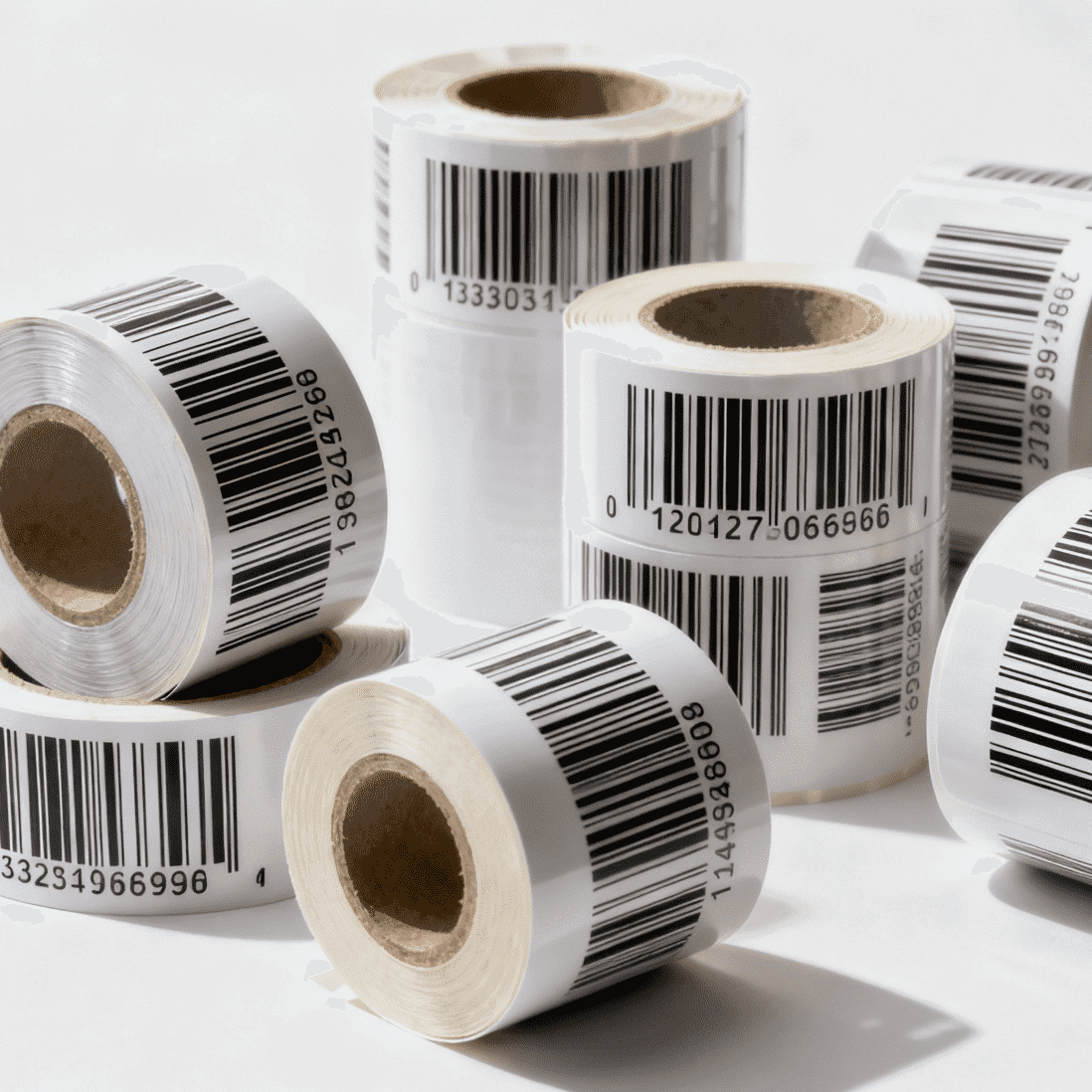
Tamper-Evident Labels
NewSecurity & Void Labels
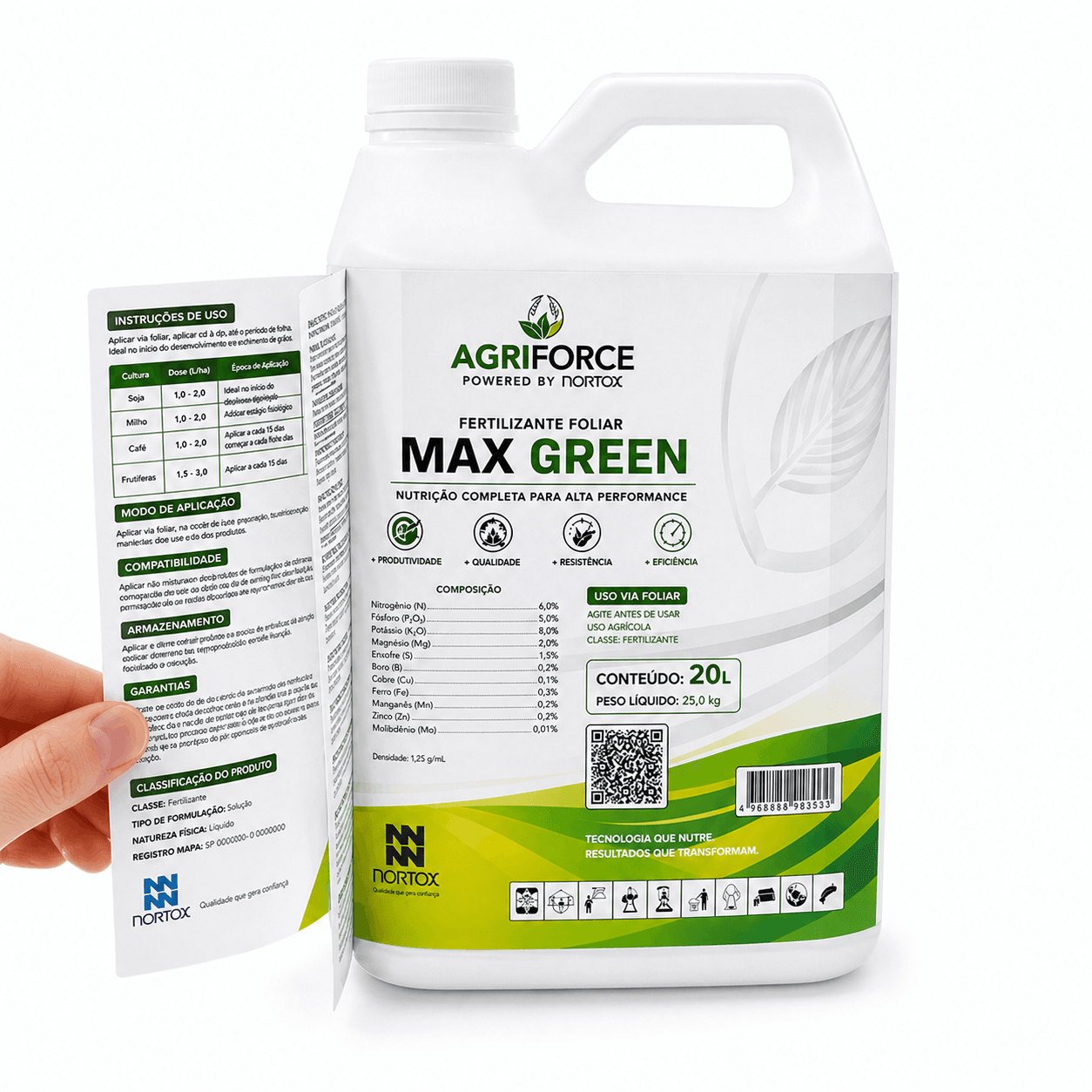
Chemical Resistant Labels
NewChemical & Solvent Resistant
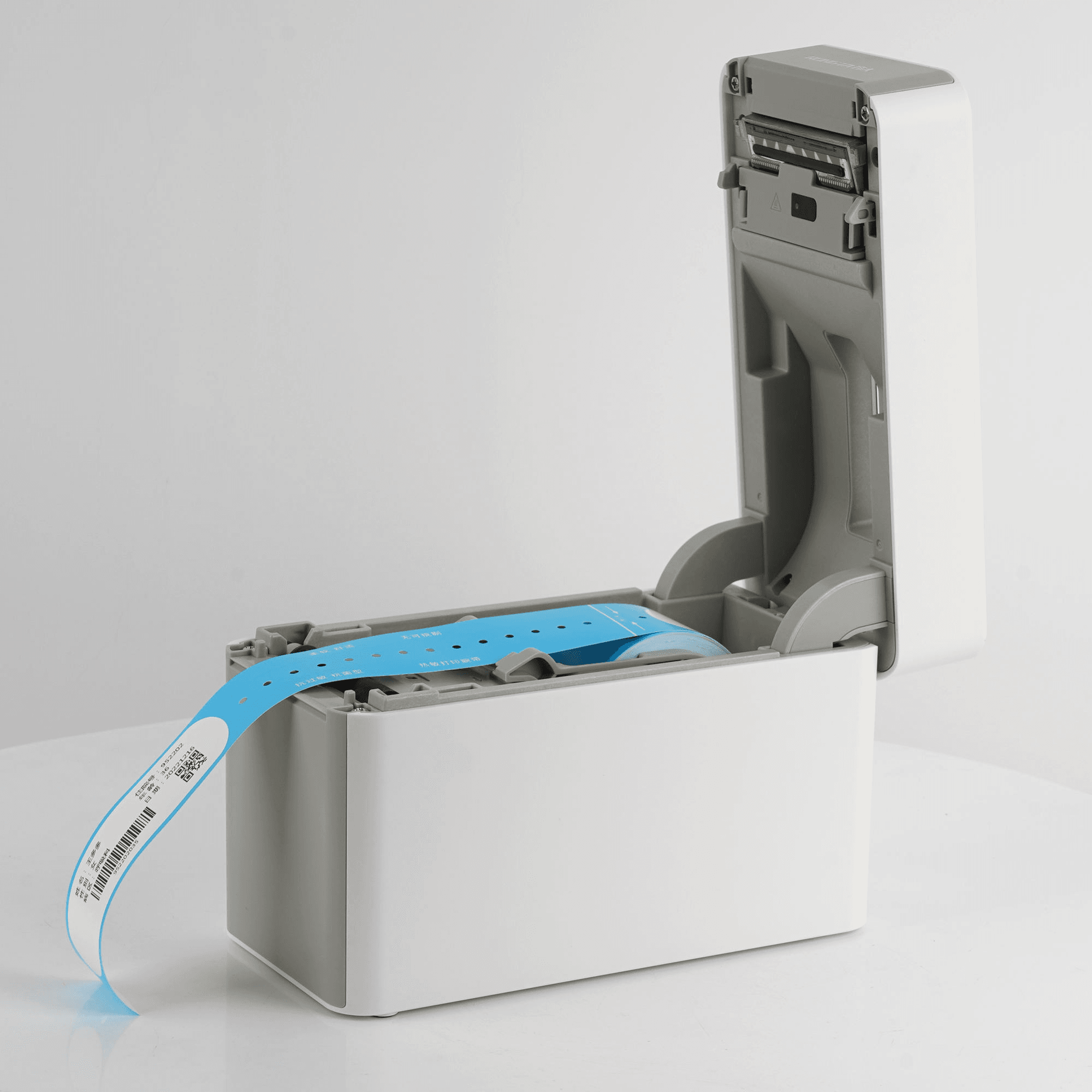
Wristband Labels
NewHospital & Event Wristbands
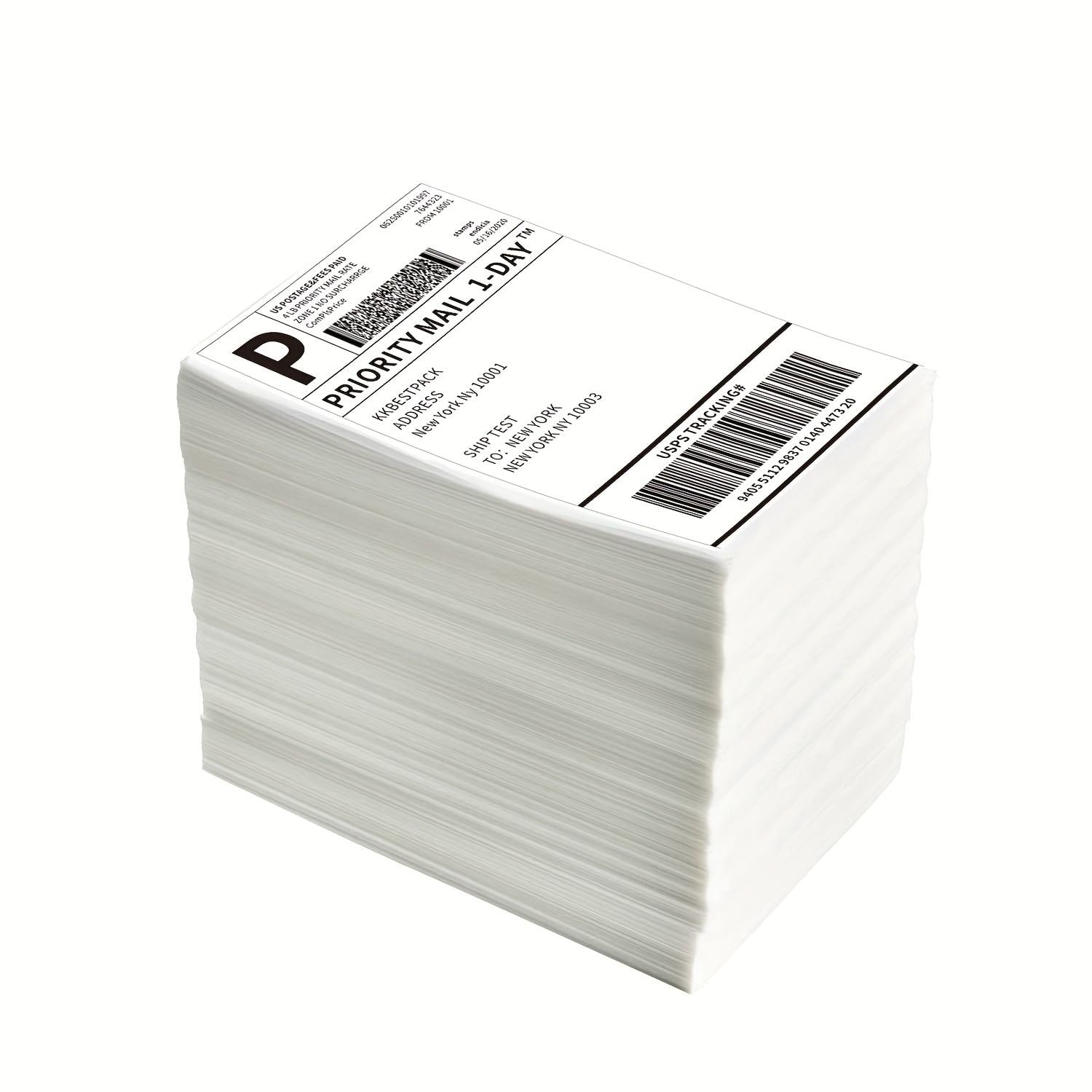
Fanfold Labels
Z-Fold Bulk Labels
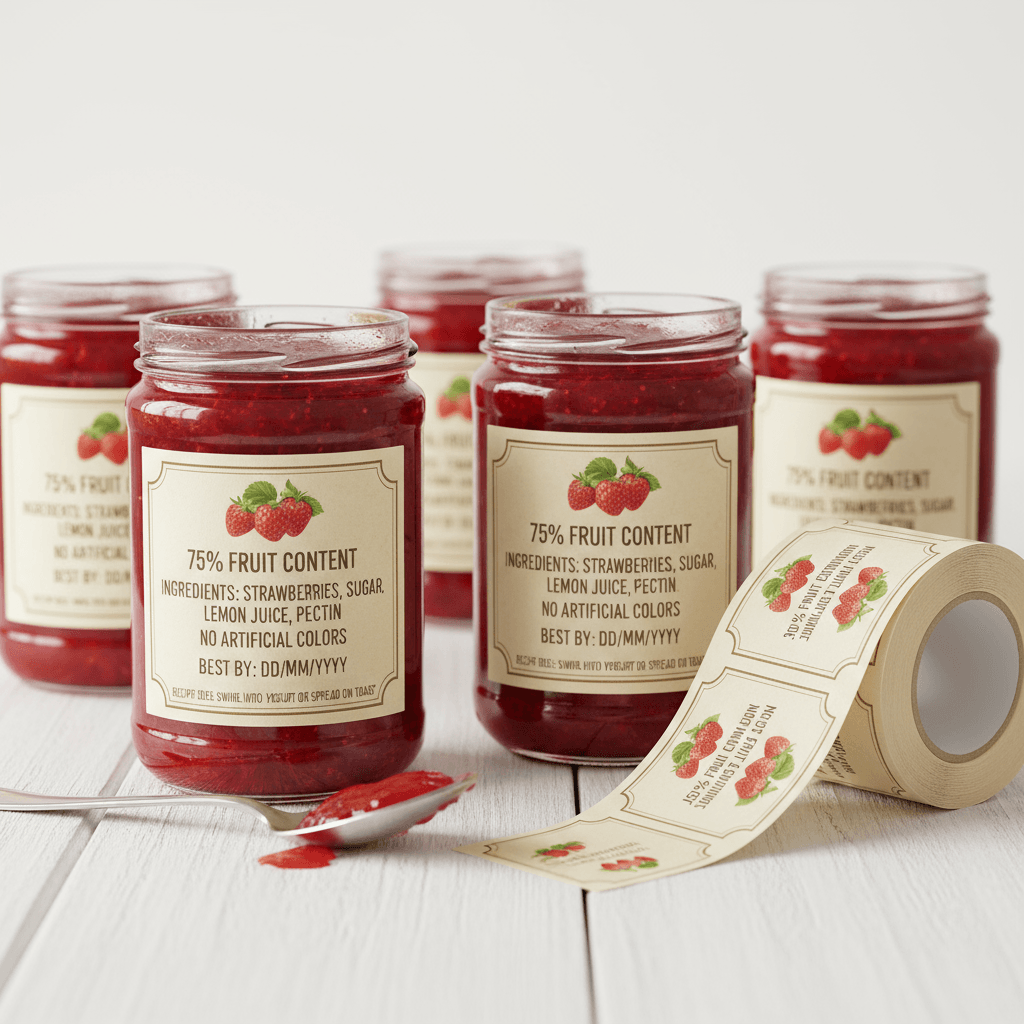
Custom Printed Labels
Private Label Thermal
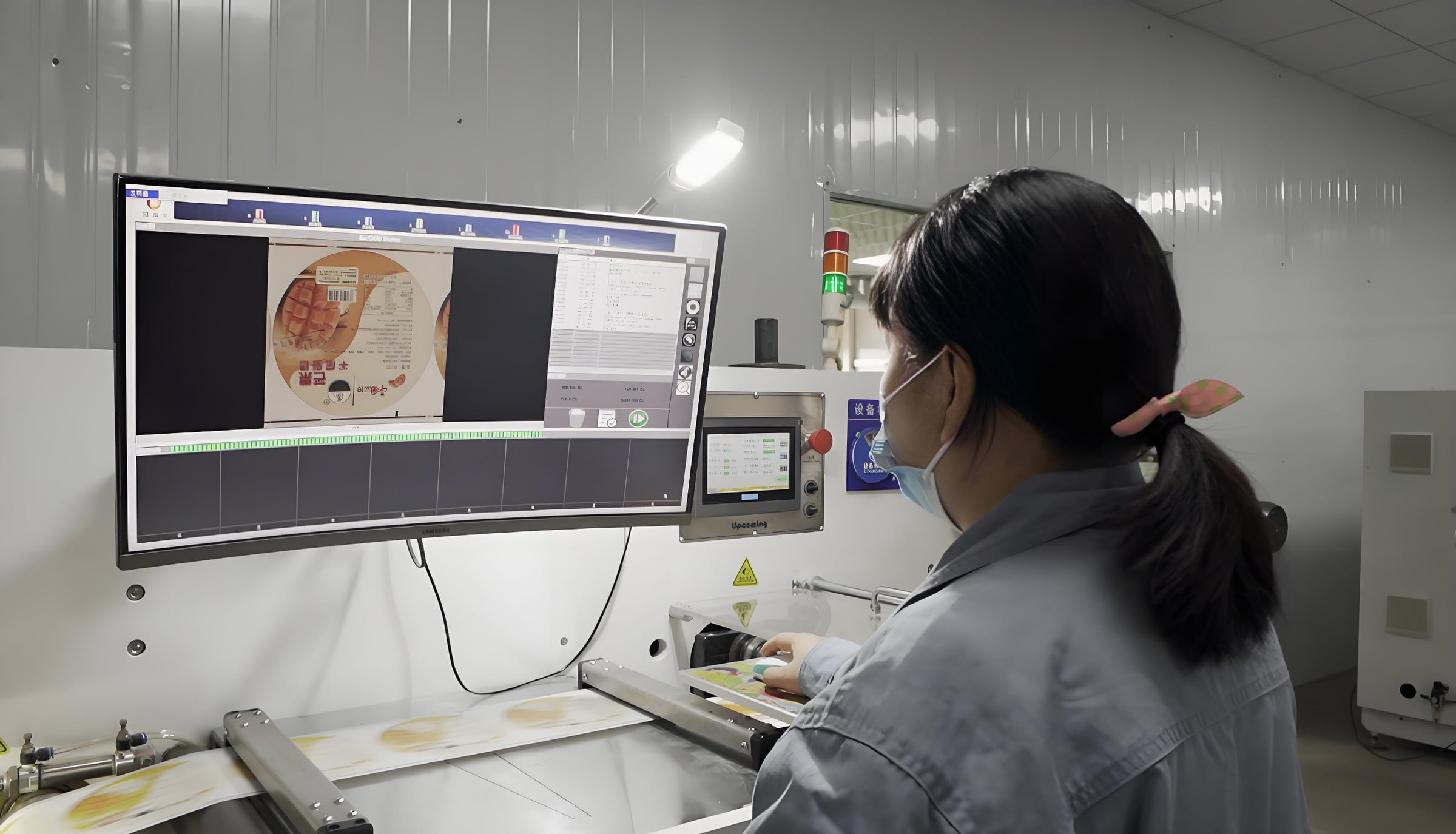
Production line
From raw material to shipped labels.
Every thermal label order follows a documented production path. From coating and die-cutting to slitting and packing, each step is tracked against the approved specification — so the second order matches the first.
1. Coating
Thermal coating applied to facestock with controlled sensitivity and density
2. Printing
Custom logo, brand, or compliance text printed before lamination
3. Die-cutting
Precision rotary or flatbed die-cutting to exact label dimensions
4. QC inspection
Barcode scan rate, adhesion, and image density tested per batch
5. Slitting & rewinding
Master rolls slit to ordered width, rewound to specified core and OD
6. Packing & dispatch
Carton labels, pallet plans, and shipping documents matched to order
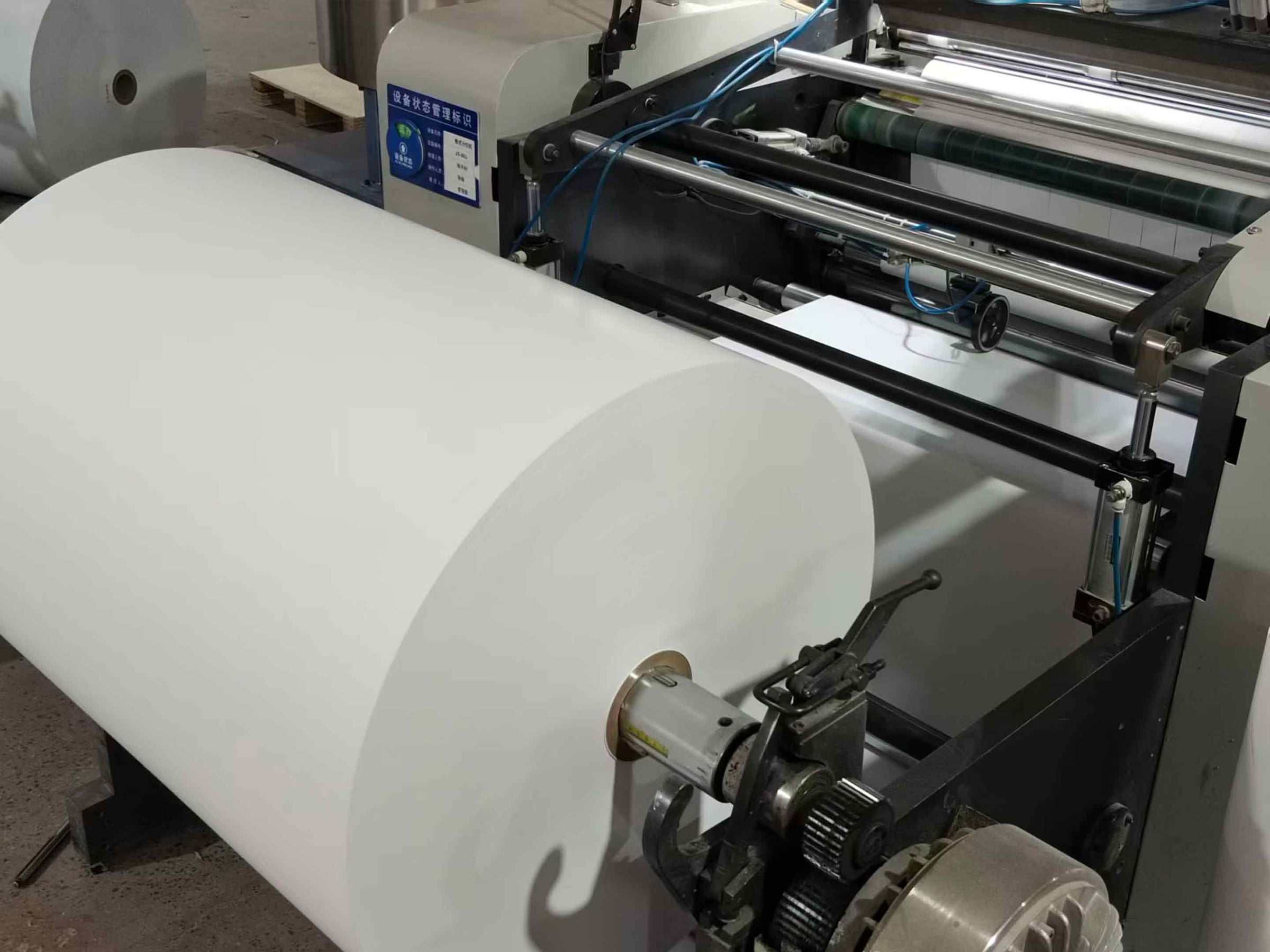
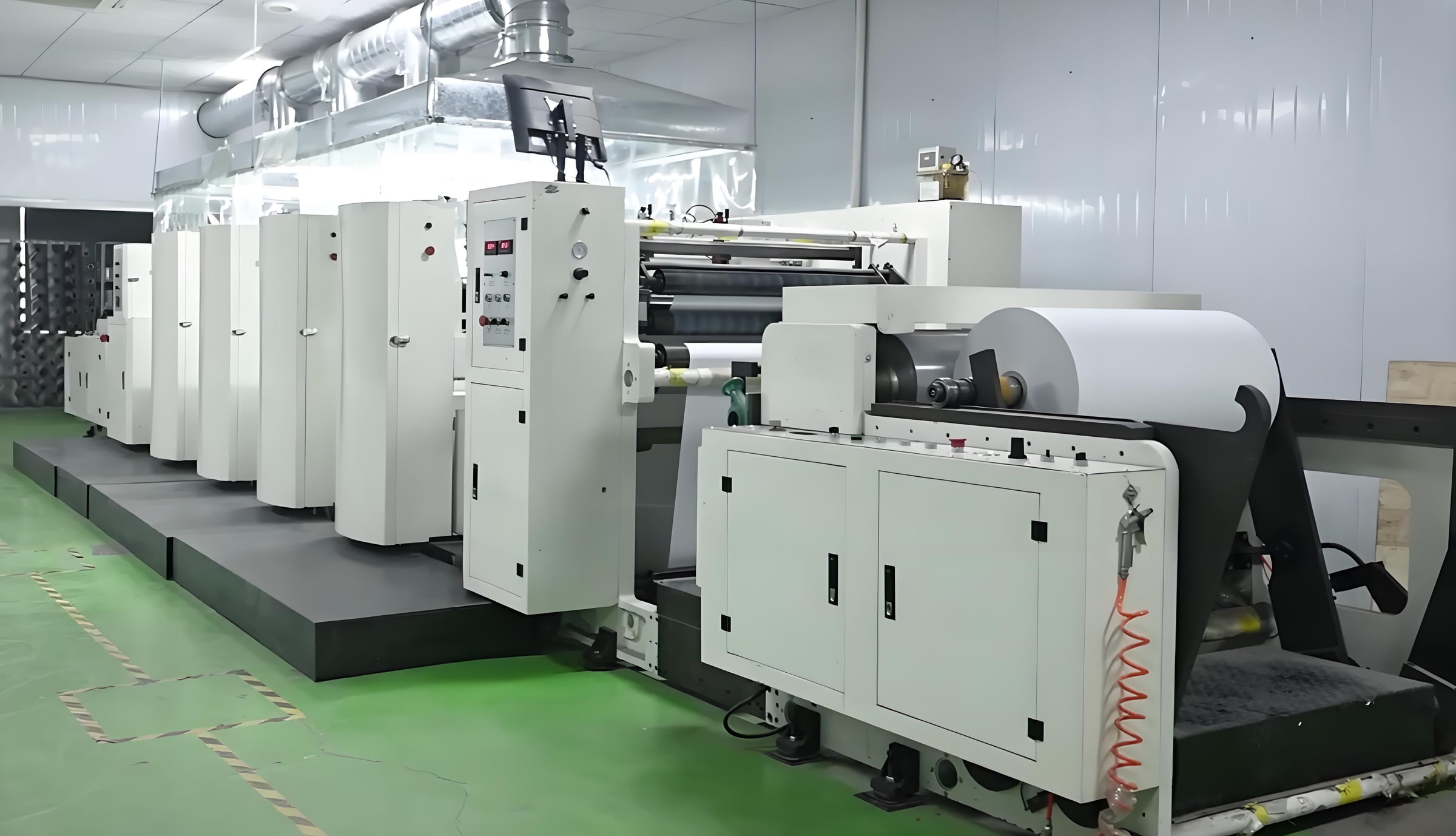
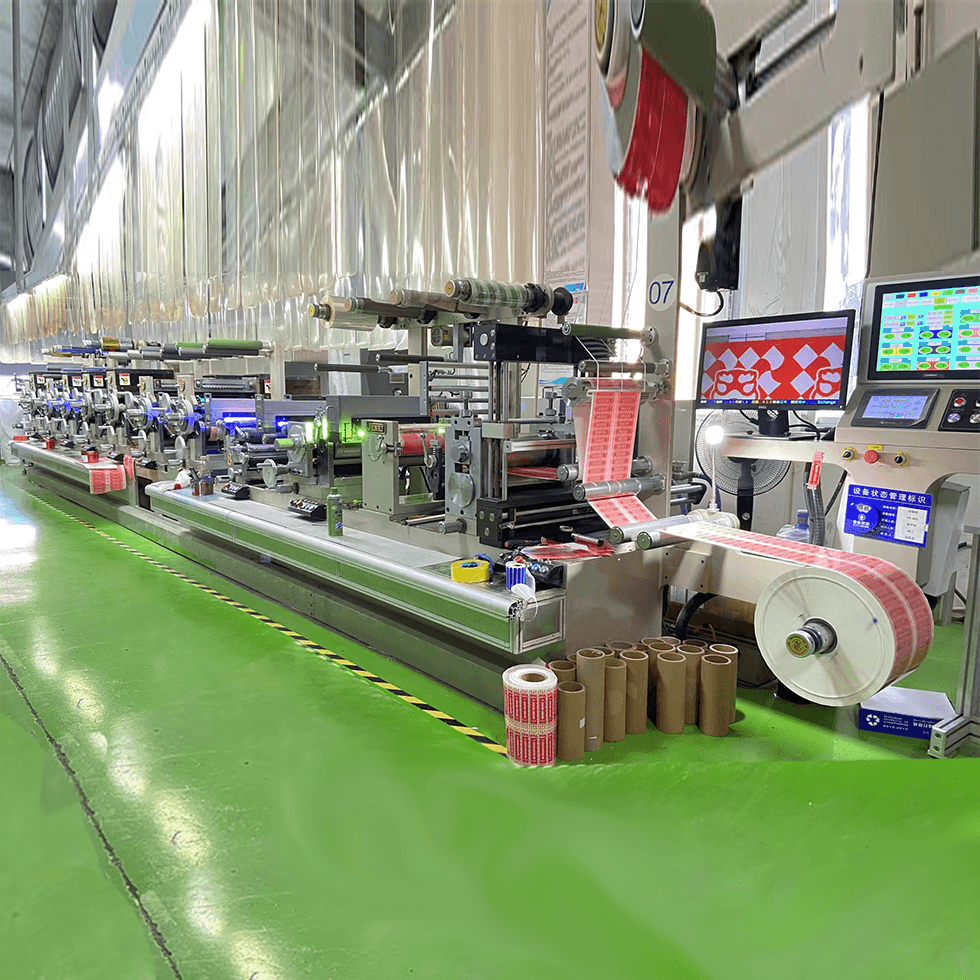
Up to 1,600mm
Coating width
Accommodates large-format label orders
±0.1mm
Die-cutting precision
Suitable for barcode and auto-apply labels
500M+ labels
Annual capacity
Multi-line production for volume buyers
Production capacity and capability statements are provided for reference. The actual process, timeline, and quality plan for each order are defined by the approved material, specification, sample, and current production schedule.
View factory overviewThermal label FAQ
Clear answers before you request a quote.
These answers cover the most common questions about thermal label materials, formats, and ordering requirements.
What are thermal labels?
Thermal labels are adhesive labels made for thermal printing. Direct thermal labels form an image on a heat-sensitive surface without a ribbon, while thermal transfer labels use a ribbon to create the printed image. The suitable construction depends on the facestock, adhesive, size, core ID, printer model, required image life, handling, and application environment.
What is the difference between direct thermal and thermal transfer labels?
Direct thermal labels do not require a ribbon and are commonly considered for applications with a defined service and storage period. Thermal transfer labels use a matched ribbon and may provide higher resistance to selected chemicals, UV exposure, temperature, or abrasion. Actual readable life and resistance depend on the complete label and ribbon construction, print settings, exposure conditions, and representative testing.
What sizes and formats are available for thermal labels?
Common formats include 4×6 inch, 4×4 inch, 100×150mm, and 100×100mm labels in roll or fanfold form. Core ID, roll OD, gap or black-mark sensing, perforations, corners, liner, and die-cut shape must match the printer and dispensing process. Custom formats are reviewed according to material, tooling, packing, quantity, and the current production plan.
What information is needed for a thermal label quote?
Provide label dimensions, core ID, roll OD or fanfold format, gap or black-mark sensing, facestock, adhesive, printer model, application surface, operating environment, image-life target, compliance needs, quantity, packing, and destination. Include exposure to cold, heat, moisture, chemicals, UV, or abrasion so the quoted construction can be reviewed against those conditions.
How should buyers validate a thermal label sample?
Test a production-intent sample with the named printer, ribbon where applicable, substrate, temperature, handling, scanner, and storage conditions. Check feeding, sensing, barcode readability, adhesion, removal behavior, print durability, and label conversion before approving the bulk specification.
How should thermal labels be stored before use?
Storage limits depend on the facestock, adhesive, liner, and supplier specification. Keep unopened labels in the agreed temperature and humidity range, away from direct sunlight, heat, moisture, plasticizers, solvents, and reactive chemicals. Record lot numbers and use stock rotation when image life or adhesive performance is critical.
Can thermal labels be used for food and healthcare applications?
They may be considered only after the complete label construction and intended use are reviewed. For food-contact or healthcare projects, confirm the facestock, adhesive, coating, ink or ribbon, contact type, temperature, duration, destination rules, and supporting evidence. A declaration or test file applies only to the named material and conditions; it should not be treated as approval for every finished label or application.
Send us your roll or label specification.
We will review product fit, samples, documents, packing, lead time, and shipping terms for your destination.