Thermal Paper Rolls
Standard POS rolls, payment terminal rolls, ATM rolls, lottery and casino tickets, parking tickets, and custom printed receipt paper. BPA-free, REACH compliant, with OEM printing and DDP shipping options.
Need to match a size first? Read the thermal paper roll sizes guide for metric-to-inch names, OD versus length, and core IDs.
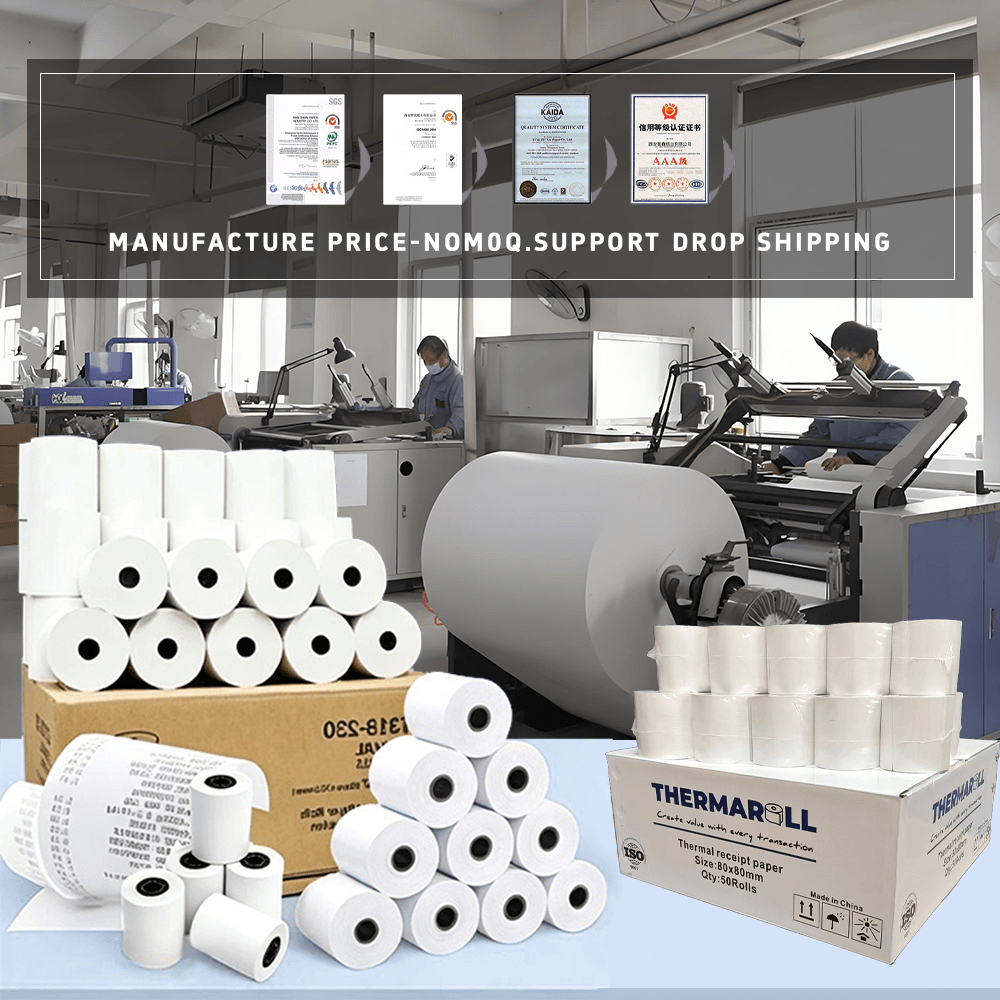
Standard POS Rolls
Cash Register & Receipt Paper

Credit Card Terminal Rolls
SEOPayment Terminal & EDC Receipt Paper
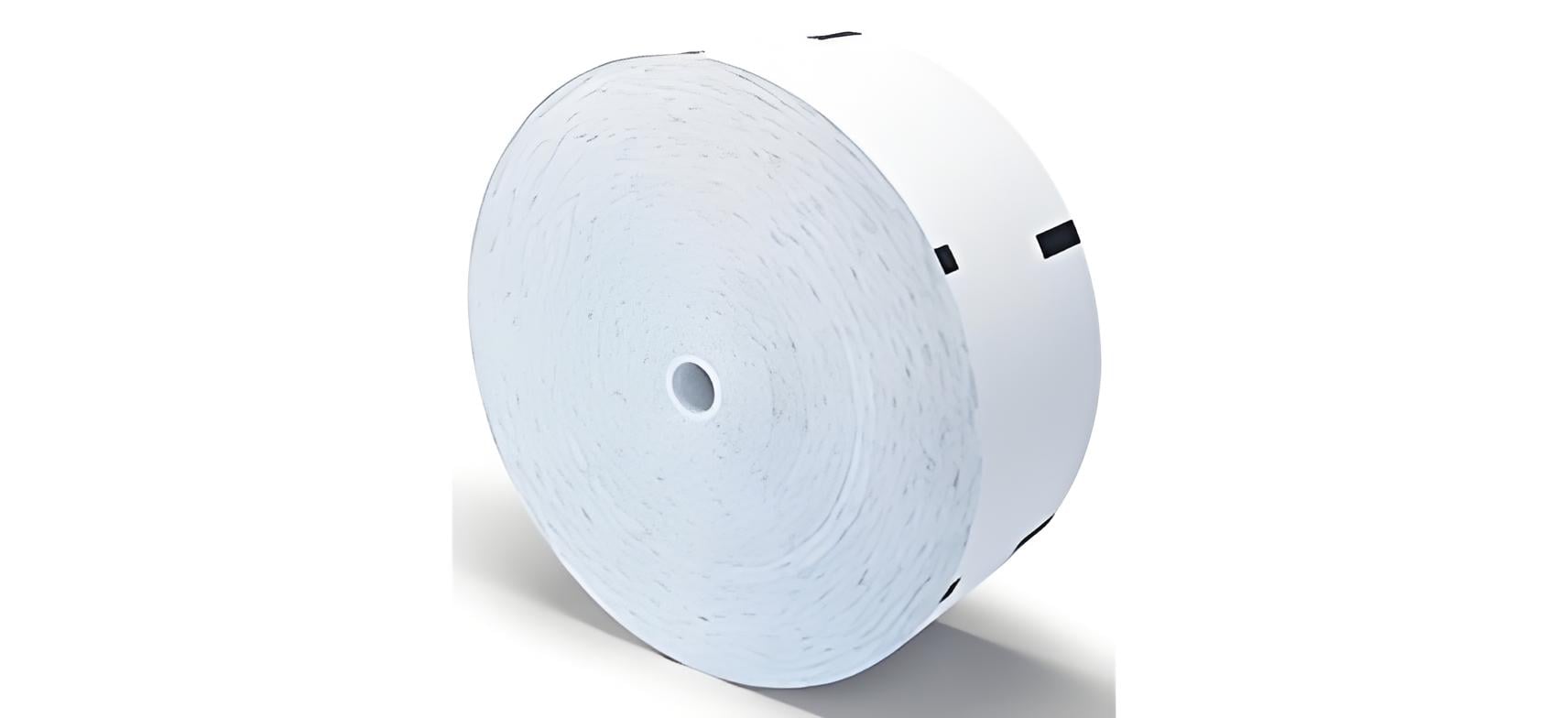
ATM & Bank Receipt Rolls
ATM, Teller & Financial Terminal Paper

Lottery & Gaming Rolls
SEOLottery Ticket Thermal Paper
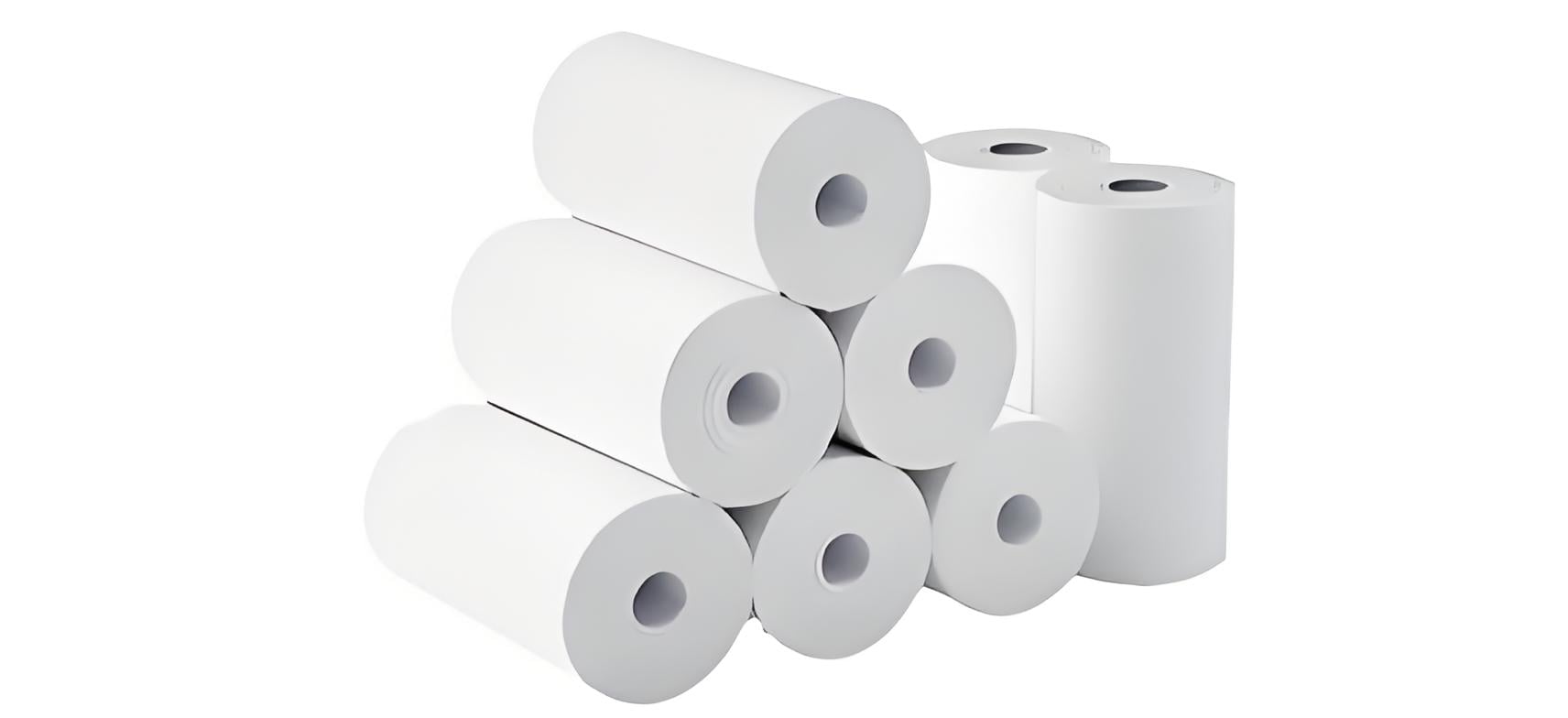
Casino TITO Rolls
SEOTicket-In Ticket-Out Paper

Parking & Ticketing Rolls
SEOParking Ticket Paper

Medical Paper Rolls
Patient Records & Medical Receipts

Transport Ticket Rolls
NewBus, Rail & Transit Tickets
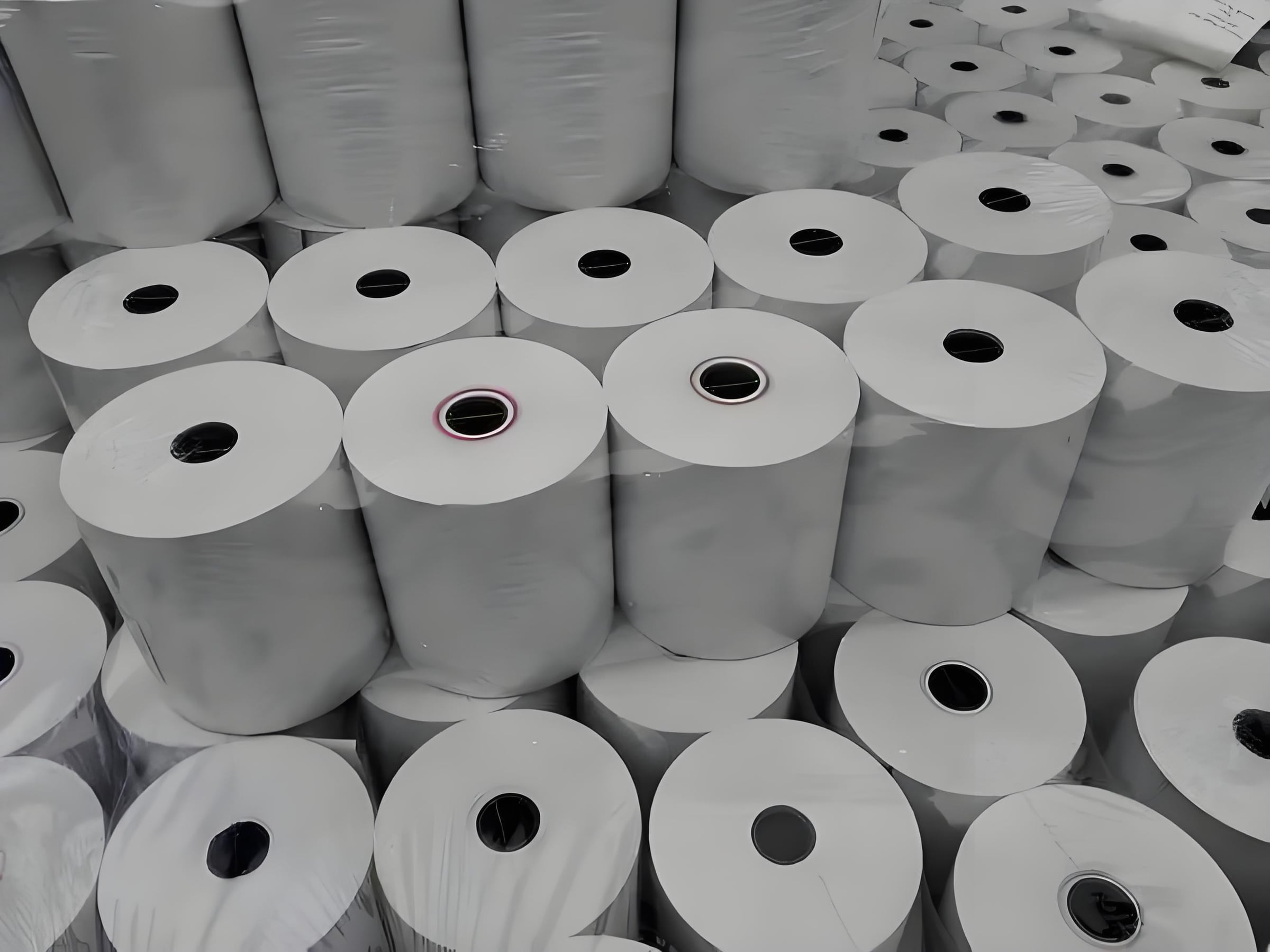
Kiosk & Vending Rolls
NewKiosk Receipt & Vending Machine Paper
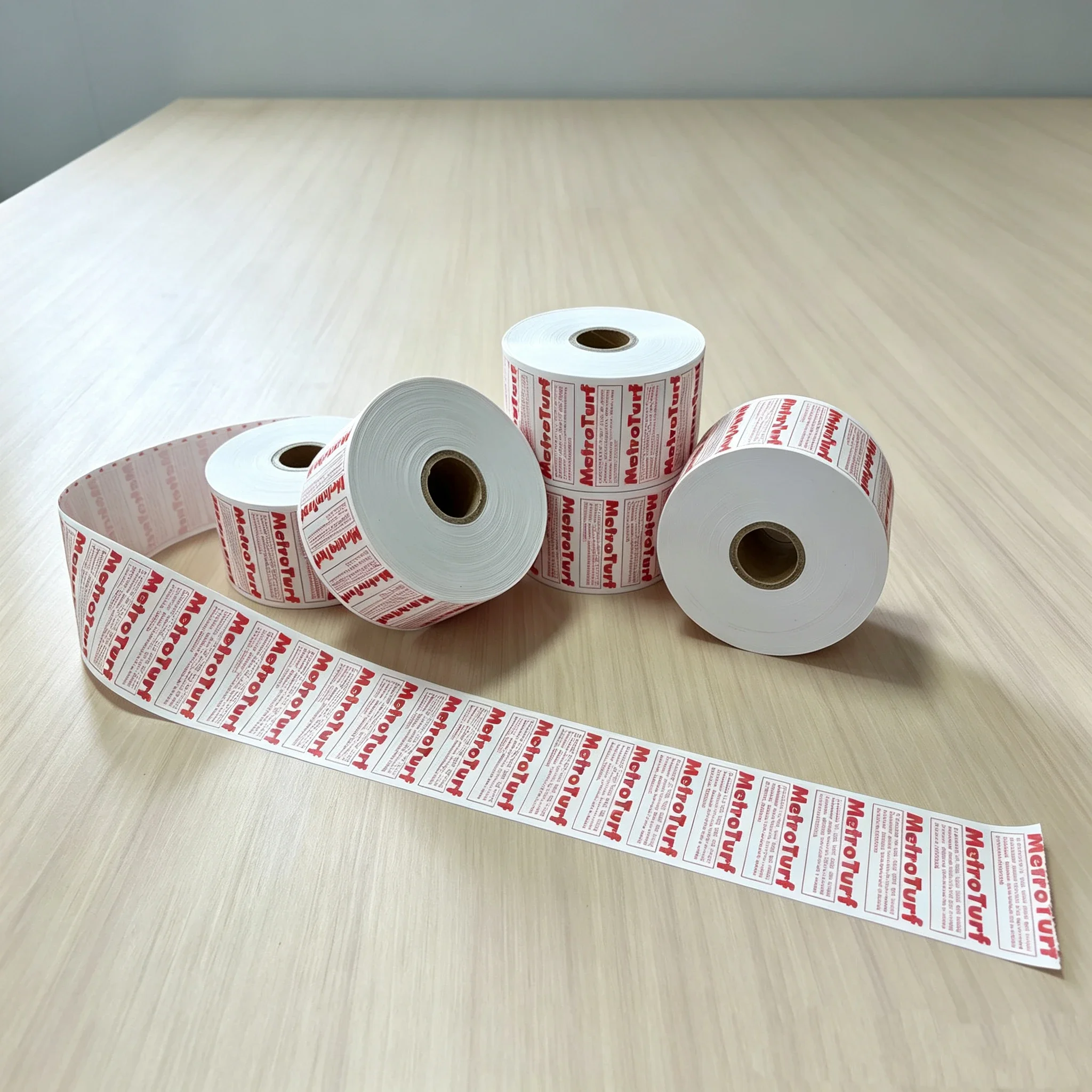
Custom Printed Rolls
OEM & Private Label Thermal Paper
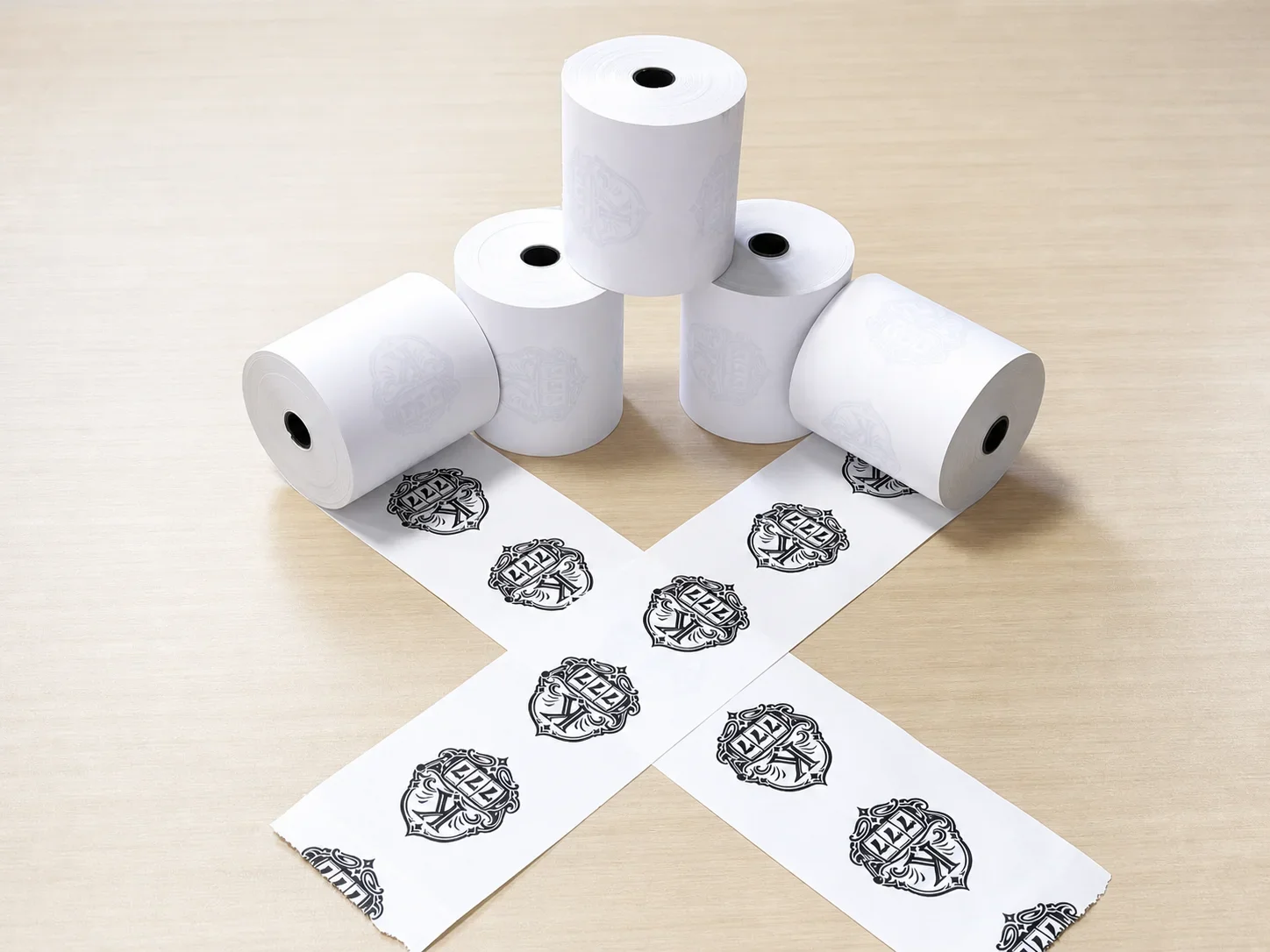
Back Print Thermal Rolls
NewPre-Printed Reverse Side Thermal Paper
T3 functional performance
Specify the exposure, not just the grade name.
Water-resistant, three-proof, and long-life are incomplete buying terms. Qualification starts with the named risk, contact method, temperature and humidity, duration, readability target, and acceptance test.
Standard and high-sensitivity
Match print-head energy, speed, optical density, background, and scanning needs.
Confirm the quoted paper grade and sample result; width alone does not establish imaging performance.
Top-coated and resistance candidates
For water, oil, abrasion, chemicals, plasticizers, heat, or humidity risks.
Use water-resistant rather than waterproof unless a named medium, contact method, temperature, duration, and pass condition are verified.
Long-life and archival candidates
For receipts or records with a defined post-print readability period.
Separate raw-paper shelf life, printed-image life, and in-use durability; no fixed year claim without grade-specific evidence and storage conditions.
A performance option remains a configuration or project candidate until the quoted grade, test method, sample result, and application conditions are linked to the order.
Submit test conditionsProduction line
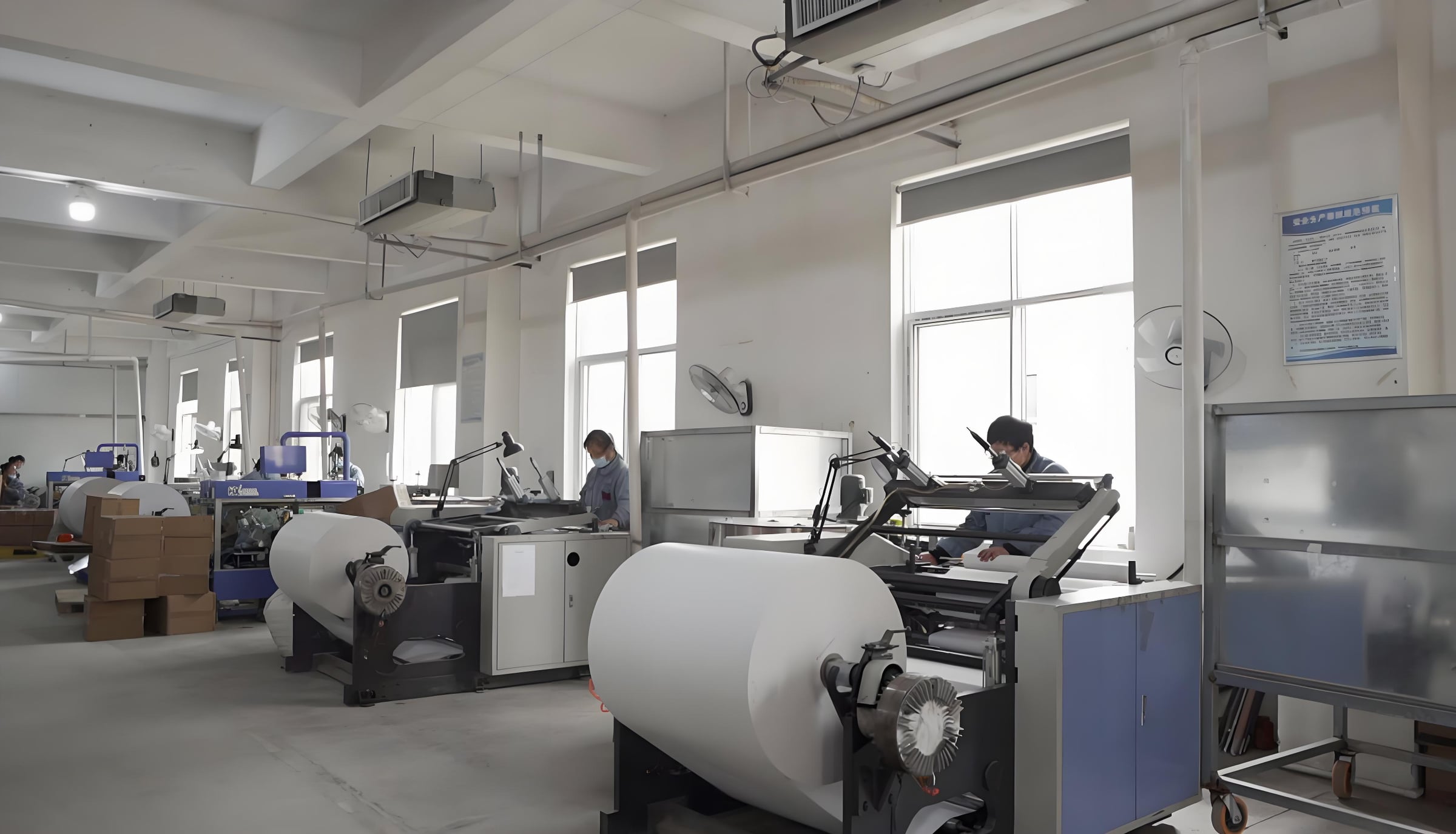
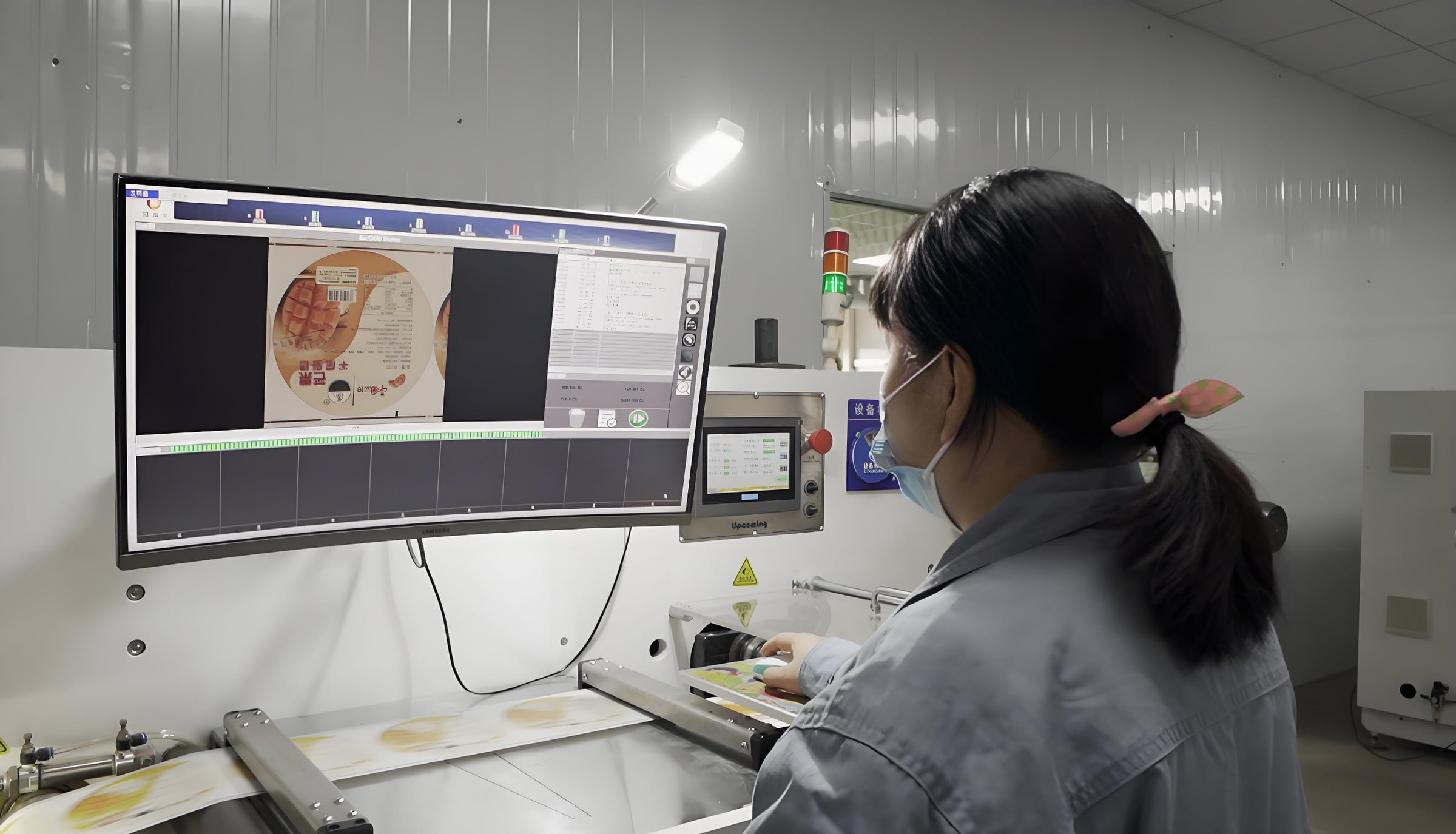
From jumbo roll to finished roll.
Every thermal paper roll order follows a documented production path. From slitting and rewinding to packing and palletizing, each step is tracked against the approved specification.
1. Coating
Thermal coating applied to base paper with controlled sensitivity and density
2. Slitting
Jumbo rolls slit to ordered width with precise edge control
3. Rewinding
Slit rolls rewound to specified outer diameter and core ID
4. Printing
Custom logo, patterns, or compliance text printed on roll back
5. QC inspection
OD, core fit, image density, and scan reliability tested per batch
6. Packing & dispatch
Carton labels, pallet plans, and shipping documents matched to order
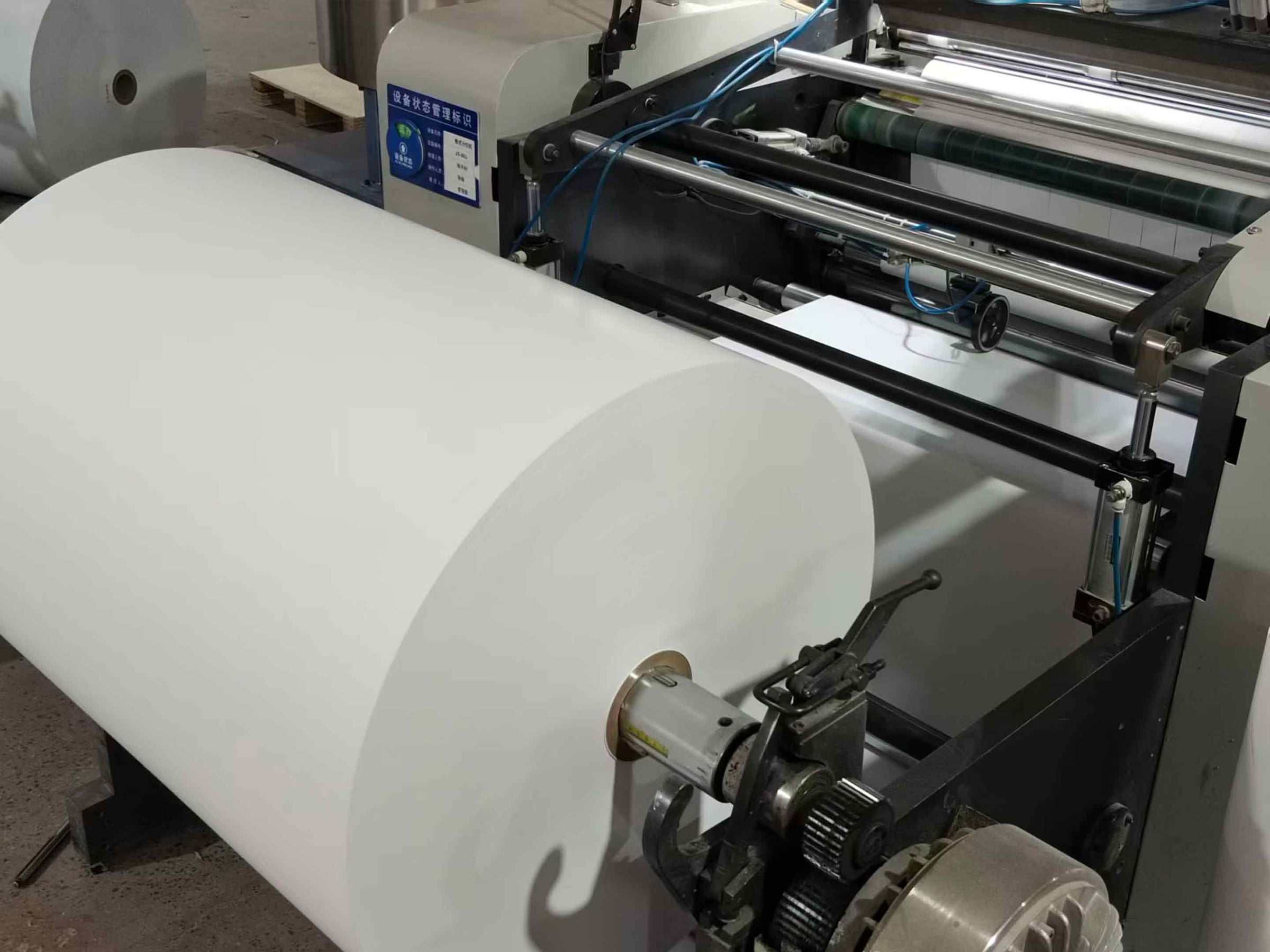
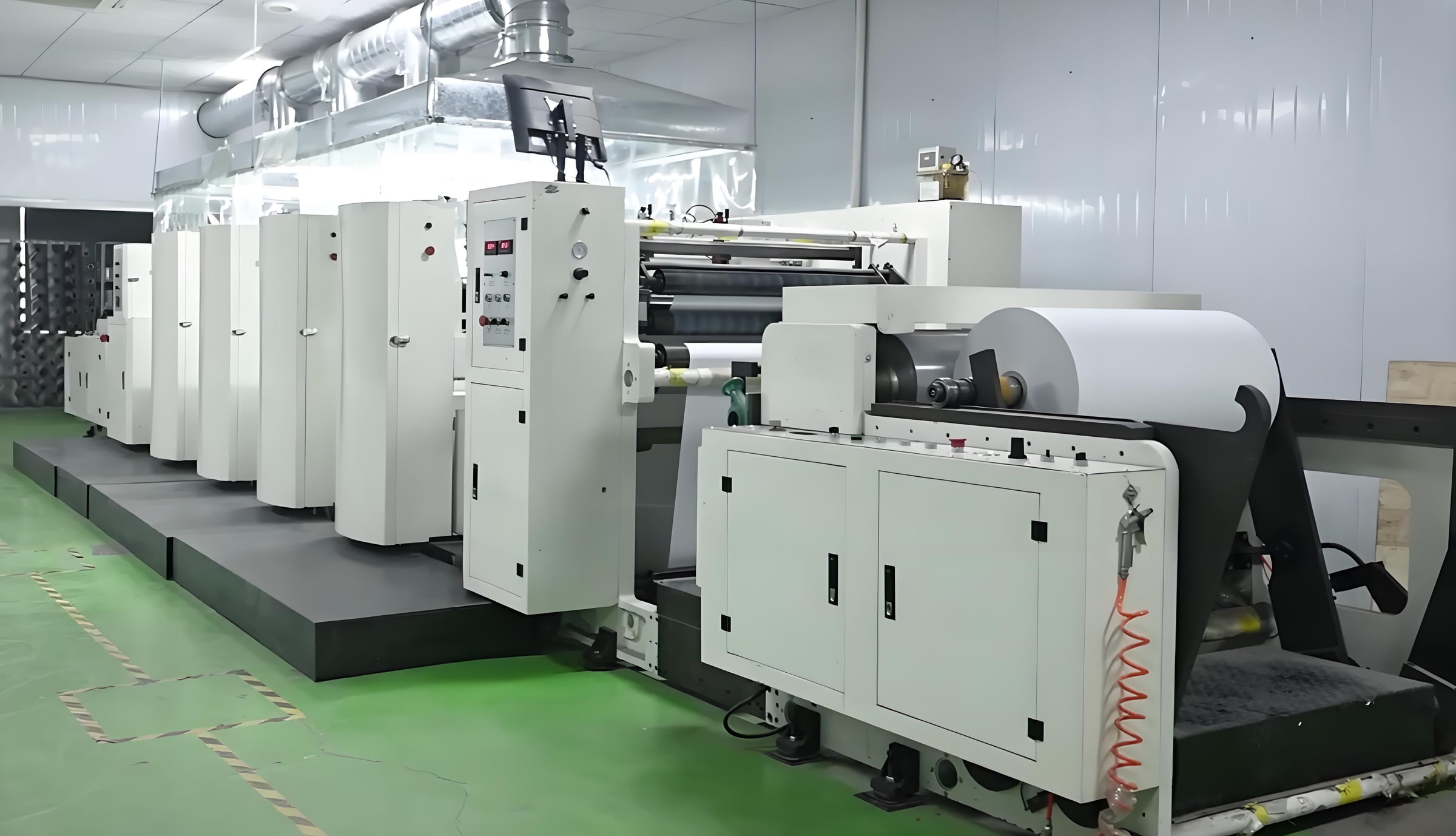
Up to 1,600mm
Coating width
Accommodates large-format jumbo rolls
±0.5mm
Slitting precision
Consistent width across every roll in the order
500M+ rolls
Annual capacity
Multi-line production for volume buyers
Production capacity and capability statements are provided for reference. The actual process, timeline, and quality plan for each order are defined by the approved material, specification, sample, and current production schedule.
View factory overviewThermal roll FAQ
Clear answers before you request a quote.
These answers define the naming and measurement rules used throughout this product category.
What are thermal paper rolls?
Thermal paper rolls are heat-sensitive paper rolls used in direct thermal printers without ink or toner. Common applications include POS receipts, payment terminals, kiosks, parking systems, and printed receipt programs. A complete specification normally includes width, length or outer diameter, core ID, paper GSM, winding direction, coating, and packing.
How are thermal paper roll sizes named?
Metric names commonly use width x outer diameter, such as 80 x 80 mm or 57 x 40 mm. Inch-based names often use width x roll length, such as 3 1/8 in x 230 ft or 2 1/4 in x 50 ft. Always confirm which dimensions a supplier is quoting — width alone does not confirm printer fit.
Are 80 x 80 mm and 3 1/8 in x 230 ft interchangeable?
Not automatically. Both are about 80mm or 3.125 inches wide, but 80 x 80 mm usually states width and outer diameter while 3 1/8 in x 230 ft states width and nominal length. Paper GSM, core ID, winding tension, and actual measured length determine the finished OD. Always confirm the full spec.
Are 57mm and 2 1/4-inch receipt paper the same width?
They are the same common width family because 2.25 inches is about 57.15mm. However, they are not a complete specification — payment terminals can require different outer diameters, lengths, core IDs, or winding directions even when the paper width matches. Confirm the exact terminal model.
How should thermal paper rolls be stored before use?
Storage conditions depend on the paper grade, coating, packing, and intended image-life target. Keep rolls in the agreed temperature and humidity range, away from direct sunlight, heat, moisture, plasticizers, solvents, and pressure that can deform the roll. Confirm the supplier storage guidance and rotate stock by lot when image retention matters.
What documents should buyers request for a thermal paper roll?
Request the technical data sheet and any grade-specific test report, declaration, image-life evidence, or compliance file required for the destination and application. Check that each document identifies the quoted paper grade, manufacturer or certificate holder, test scope, issue date, and relevant conditions before approval.
What information is needed for a thermal paper roll quote?
Send the application or printer model, roll width, target length or outer diameter, core ID, paper GSM or grade, winding direction, coating or compliance needs, quantity per SKU, packing method, and destination. A current roll photo or sample helps verify ambiguous size names before quoting.
Send us your roll or label specification.
We will review product fit, samples, documents, packing, lead time, and shipping terms for your destination.