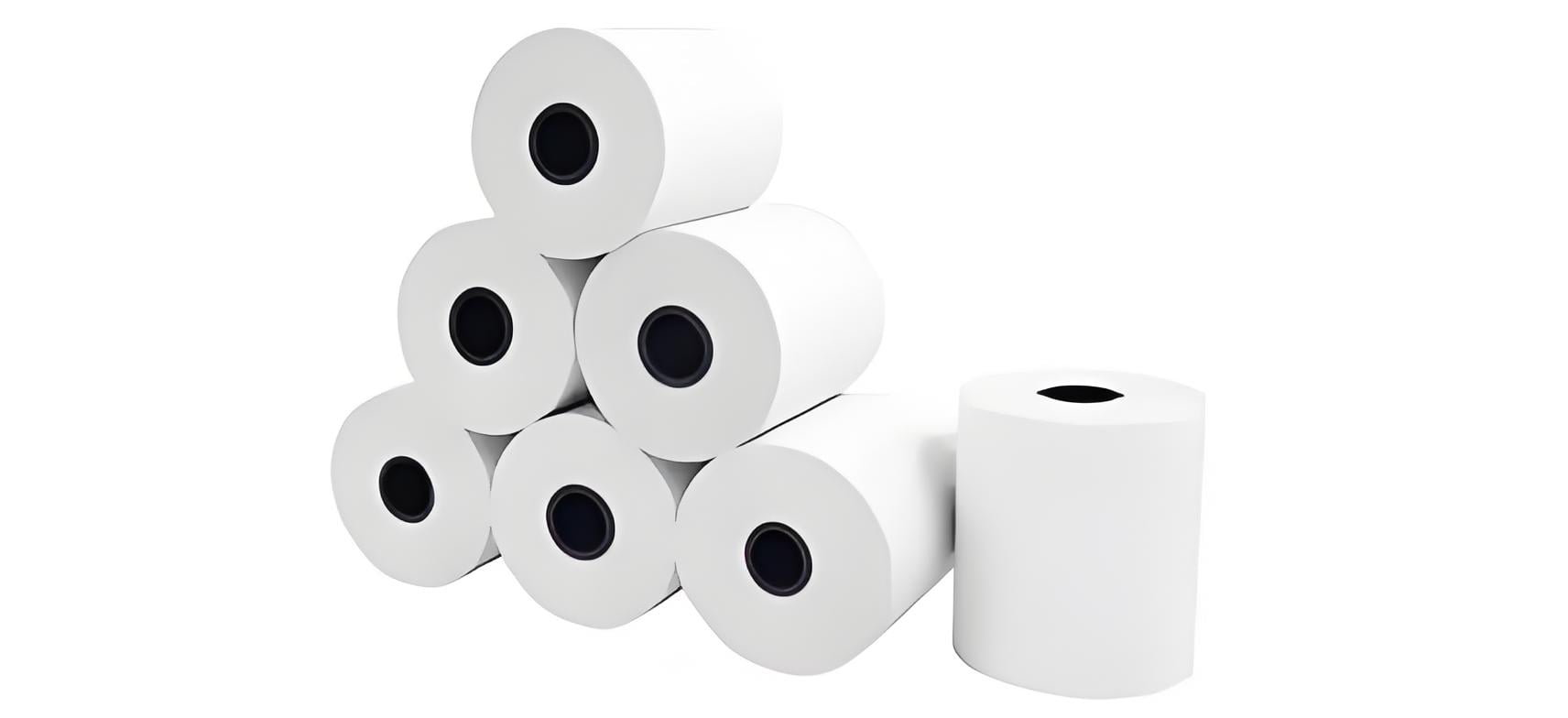
Bisphenol A (BPA) has been a staple developer chemical in thermal paper coatings for decades — but its days in the European market are firmly over. Since January 2020, EU REACH Regulation (EU) 2016/2235 has restricted BPA in thermal paper to a maximum of 0.02% by weight. For distributors, importers, and retailers sourcing thermal paper for European markets, understanding these requirements is no longer optional — it is a fundamental compliance obligation.
What Is BPA and Why Was It Used in Thermal Paper?
Thermal paper works through a chemical reaction between a leuco dye and a developer compound when heat is applied. For most of the 20th century, Bisphenol A (BPA) was the developer of choice due to its excellent thermal sensitivity, low cost, and long image stability.
However, BPA is classified as an endocrine disruptor — a substance that interferes with the hormonal system. Research published in peer-reviewed journals demonstrated that BPA can be absorbed dermally through handling thermal receipts, raising concerns about occupational exposure for cashiers and retail workers who handle receipts daily.
The EU's Scientific Committee on Consumer Safety (SCCS) concluded that BPA in thermal paper poses a risk to workers who handle receipts frequently, leading to the REACH restriction that came into force in January 2020.
Current EU Regulatory Requirements
REACH Regulation (EU) 2016/2235 restricts BPA in thermal paper to a concentration of 0.02% by weight (200 ppm). This applies to thermal paper placed on the EU market, regardless of where it was manufactured.
France went further with its Grenelle II law, which banned BPA in all food contact materials — including thermal paper used in food service environments. This French restriction predated the EU-wide REACH restriction and applies to all BPA-containing materials, not just thermal paper.
Importantly, the restriction applies to the finished thermal paper product, not just the raw materials. Importers and distributors placing thermal paper on the EU market are responsible for ensuring compliance, even if they did not manufacture the product.
Bisphenol S (BPS), one of the most common BPA substitutes, is already listed on the REACH Candidate List as a substance of very high concern. Buyers using BPA-free grades should confirm whether the quoted paper is BPS-free, phenol-free, or based on another developer system, and keep the current candidate-list review date in the approval file.
What BPA-Free Actually Means
A product labelled 'BPA-free' should contain no BPA in its thermal coating formulation. However, the term is not regulated, and some manufacturers use it loosely. Distributors should request third-party test reports confirming BPA content below the 0.02% REACH threshold, not just supplier declarations.
The most common BPA alternatives currently in use include: Bisphenol S (BPS), D8 (a phenol sulphone compound), Pergafast 201, and vitamin C-based developers. Each has different performance characteristics and regulatory status.
BPS, while widely used, is under increasing regulatory scrutiny. Distributors sourcing 'BPA-free' products should clarify whether the alternative developer is also BPS-free, particularly for products destined for food service or healthcare applications.
Documentation Requirements for EU Distributors
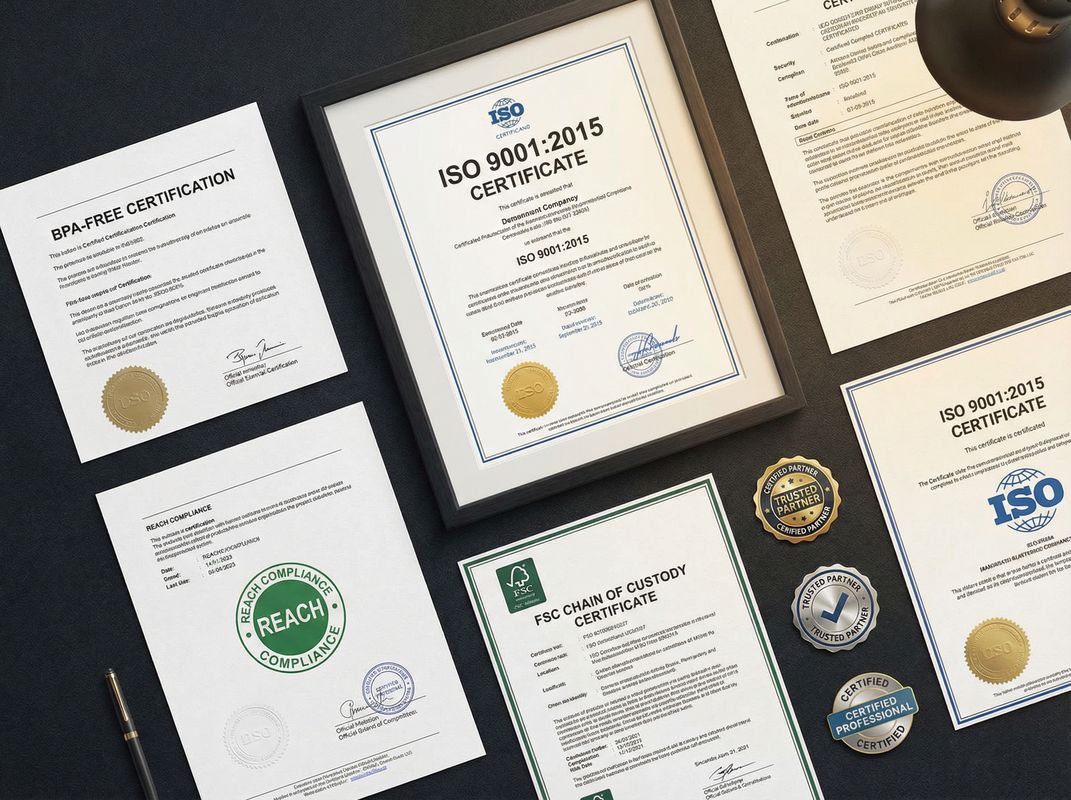
To demonstrate compliance with REACH Regulation (EU) 2016/2235, distributors should obtain and maintain the following documentation from their thermal paper suppliers: a BPA-free declaration signed by the manufacturer, third-party test reports from an accredited laboratory confirming BPA content below 0.02%, and a REACH SVHC statement confirming no SVHC substances above the 0.1% threshold.
For products sold in France, additional documentation confirming compliance with the Grenelle II food contact requirements may be required, particularly for products used in food service environments.
These documents should be reviewed annually and updated whenever the product formulation changes. A usable approval file should tie each declaration and report to the quoted grade name, lot number, batch number, test conditions, sample size, and acceptance criteria used for release.
Distributors who cannot produce compliance documentation on request may face enforcement action from national market surveillance authorities. If the project also requires BPS-free or phenol-free status, record that scope separately in the inspection plan instead of assuming it from a BPA-free claim.
Sourcing BPA-Free Thermal Paper: What to Look For
When evaluating thermal paper suppliers for an EU project, distributors should request any applicable quality-system documents, grade-specific third-party chemistry reports, clear identification of the developer system, and current material declarations. Each document should be checked for holder, sample, method, substance scope, date, and validity.
Price should be evaluated alongside material scope, documentation, testing, traceability, and destination requirements because a nonconforming shipment can create recall, enforcement, and reputation costs.
Zhixin Paper offers BPA-free, BPS-free, or phenol-free routes by selected grade. Available declarations and third-party reports are matched to the quoted product, named substances, report scope, and current validity before approval.
Conclusion
BPA-free compliance is now a baseline requirement for thermal paper in the European market, not a premium feature. Distributors who have not yet verified their supply chain compliance should do so immediately. With BPS already on the REACH Candidate List, proactive document control and change management are the practical way to protect EU market access.
Key Takeaways
- REACH Regulation (EU) 2016/2235 restricts BPA in thermal paper to 0.02% — effective since January 2020
- France's Grenelle II law bans BPA in all food contact materials, including thermal paper
- BPS is already on the REACH Candidate List, so buyers should confirm the exact developer system and current declaration scope
- Distributors are responsible for compliance of products they place on the EU market
- Request third-party test reports, not just supplier declarations, to verify BPA-free status
Reference Sources
- EUR-Lex: Regulation (EU) 2016/2235 on BPA in thermal paper
- ECHA Candidate List of substances of very high concern
Related Industry Pages
- Retail & POS: Receipt-grade selection, handling policy, and destination-specific document review.
- Events & Hospitality: Guest-facing receipt and ticket applications with grade-specific document needs.
- Food & Cold Chain: Separate receipt-paper chemistry review from food-label construction and contact conditions.
Frequently Asked Questions
What should buyers confirm before ordering eu bpa-free thermal paper compliance guide?
Confirm the exact application, printer or terminal fit, destination market, required documents, and approval process before issuing the purchase order for this compliance project.
Is the article summary enough for supplier approval?
No. What EU buyers should verify on BPA-free thermal paper: REACH threshold, BPS status, declarations, test reports, and supplier approval records. Buyers should still request grade-specific documents, test evidence, and representative samples before approving bulk production.
Which internal pages should I review next?
Review the relevant industry page, compare product specifications, and use the contact or quote forms to align the final requirement set with the quoted material.
Next Step
If you need support on specifications, documentation scope, or sample planning, continue with one of these internal pages:
- Request Samples to validate material, dimensions, and printer fit.
- Get a Quote to align the RFQ with width, OD, core, chemistry, packing, and destination requirements.
- Contact Us for project-specific technical review.
Related Posts
Send Your Inquiry Today
Tell us the product, dimensions, material, quantity, and destination. We will review the right specification before quoting.
Submit your requirement