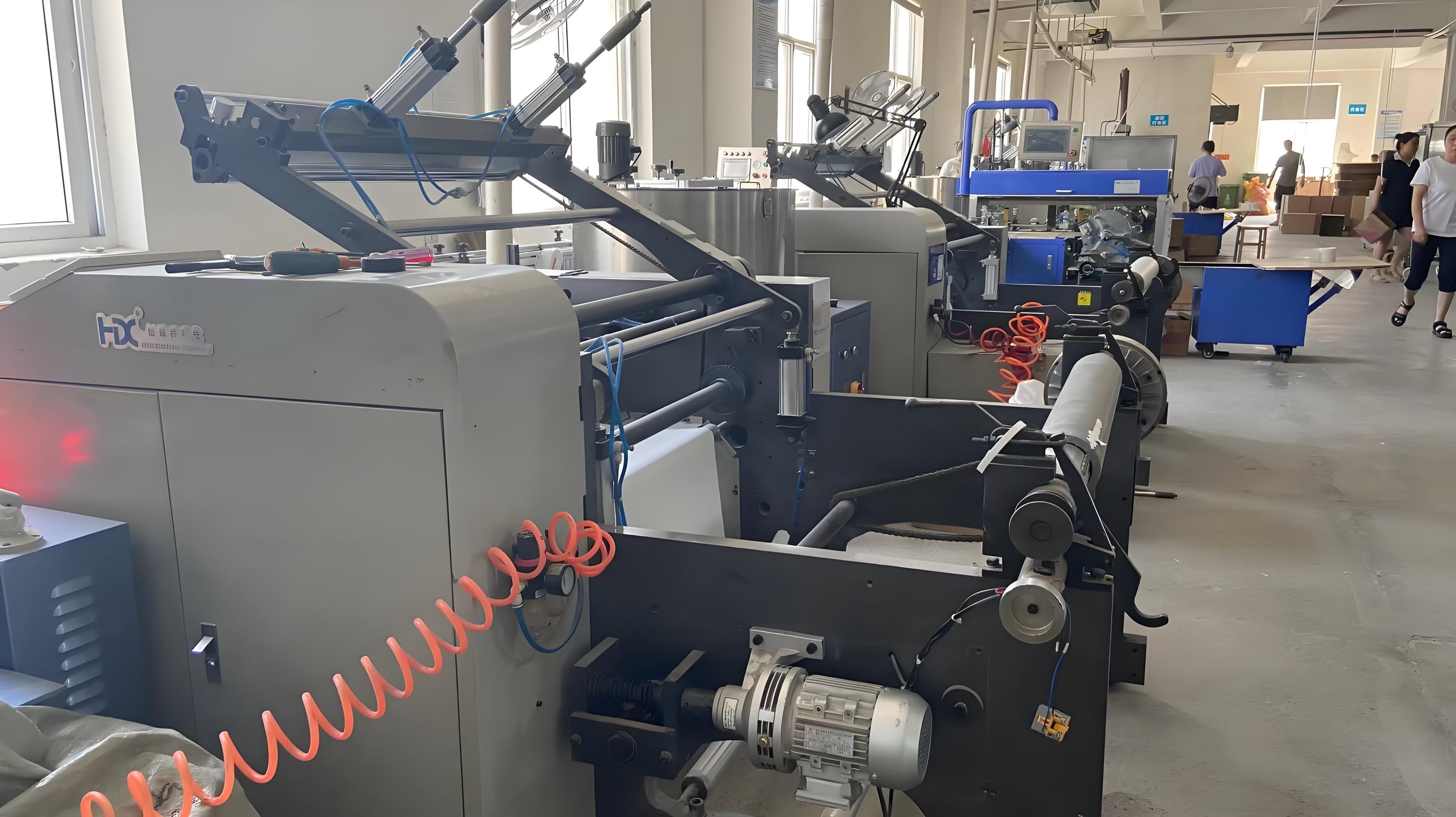
US cannabis labeling is governed through changing state and local requirements, licence conditions, product categories, and buyer workflows. This guide provides a qualification framework for thermal-label projects; it does not replace current authority guidance, approved artwork, or review by the licence holder and qualified advisers.
Jurisdiction and Licence-Holder Review
Before preparing artwork, identify the current state and local authorities, licence holder, product category, packaging configuration, sales channel, and effective date of the requirements being used.
Multi-state operators should maintain jurisdiction-specific approved artwork and change-control records. Do not assume that an approval, symbol, warning, language, identifier, or packaging decision transfers from one state or product class to another.
The buyer and qualified advisers should provide or approve the regulatory checklist. The label supplier can then review material construction, print method, variable-data fields, barcode quality, adhesion, durability, and production controls against that approved brief.
Artwork Fields to Confirm
Symbols and Warnings: Use only the current licence-holder-approved artwork, wording, language, size, color, placement, and formatting for the target jurisdiction and product class.
Product and Test Data: Populate cannabinoid, ingredient, serving, quantity, batch, licence, laboratory, date, and storage fields only from the buyer's approved data source for the applicable product or batch.
Traceability: Confirm the identifier source, symbology, dimensions, quiet zone, data structure, and verification workflow used by the buyer. A QR code or barcode should not be added based on a generic state assumption.
Packaging Interface: Review label placement, adhesive, removability, tamper evidence, environmental exposure, and whether the label could obstruct required package features or instructions.
Typical controlled fields include lot number, batch number, UID, licence number, package date, test date, net contents, and warning revision. Record which party owns each field before variable data is printed.
State Project Intake
For every state project, record the authority or adviser source, rule or guidance version, effective date, licence holder, product category, and written artwork approval used for the order.
Ask the buyer to identify required fixed copy, variable fields, symbols, warnings, language, test references, traceability identifiers, date fields, and packaging constraints. Treat unconfirmed fields as open items rather than filling them from a generic table.
When requirements change, quarantine obsolete artwork, document the revision, re-check code readability and material fit, and obtain new written approval before production.
Thermal Label Specifications for Dispensaries
Direct thermal and thermal transfer are both possible for dispensary workflows. Select the print method from the printer, ribbon if applicable, required legibility period, heat or light exposure, abrasion, chemicals, and operating process, then validate representative samples.
Facestock and adhesive must be matched to the actual container material, surface energy, curvature, texture, application temperature, service temperature, moisture, handling, and removability requirements. Do not select construction from appearance alone.
Define barcode or QR symbology, dimensions, quiet zone, data, print resolution, and verification acceptance criteria with the buyer. Test codes produced by the intended printer and settings on representative labels.
Confirm label placement and dimensions against the approved package so the label does not obstruct required features, instructions, seals, or opening mechanisms.
The print-validation file should record printer model, 203 or 300 dpi setting, label stock, adhesive type, sample size, quiet zone, and acceptance criteria before release.
Conclusion
US cannabis label projects require current jurisdiction research, licence-holder-approved artwork, controlled variable data, and material testing against the actual package and printing workflow. The label supplier should manufacture to the approved specification while final regulatory decisions remain with the buyer and qualified advisers.
Key Takeaways
- Confirm current state and local authority guidance, effective date, product class, and licence-holder approval
- Treat symbols, warnings, languages, identifiers, dates, and test references as project-specific artwork fields
- Define barcode or QR data and verification criteria from the buyer's actual workflow
- Select facestock, adhesive, print method, and ribbon from the package, printer, exposure, and retention needs
- Use documented change control and new written approval when requirements or artwork change
Reference Sources
- California Department of Cannabis Control labeling hub
- Washington State Liquor and Cannabis Board labeling resources
- Massachusetts Cannabis Control Commission 935 CMR regulations
Related Industry Pages
- Cannabis & Specialty: Use a jurisdiction-specific qualification workflow for materials, variable data, and approved artwork.
Frequently Asked Questions
What should buyers confirm before ordering u.s. cannabis label requirements: state review framework?
Confirm the exact application, printer or terminal fit, destination market, required documents, and approval process before issuing the purchase order for this compliance project.
Is the article summary enough for supplier approval?
No. A compliance workflow for U.S. cannabis label projects covering jurisdiction review, approved artwork, variable data control, and print validation. Buyers should still request grade-specific documents, test evidence, and representative samples before approving bulk production.
Which internal pages should I review next?
Review the relevant industry page, compare product specifications, and use the contact or quote forms to align the final requirement set with the quoted material.
Next Step
If you need support on specifications, documentation scope, or sample planning, continue with one of these internal pages:
- Request Samples to validate material, dimensions, and printer fit.
- Get a Quote to align the RFQ with width, OD, core, chemistry, packing, and destination requirements.
- Contact Us for project-specific technical review.
Related Posts
Send Your Inquiry Today
Tell us the product, dimensions, material, quantity, and destination. We will review the right specification before quoting.
Submit your requirement