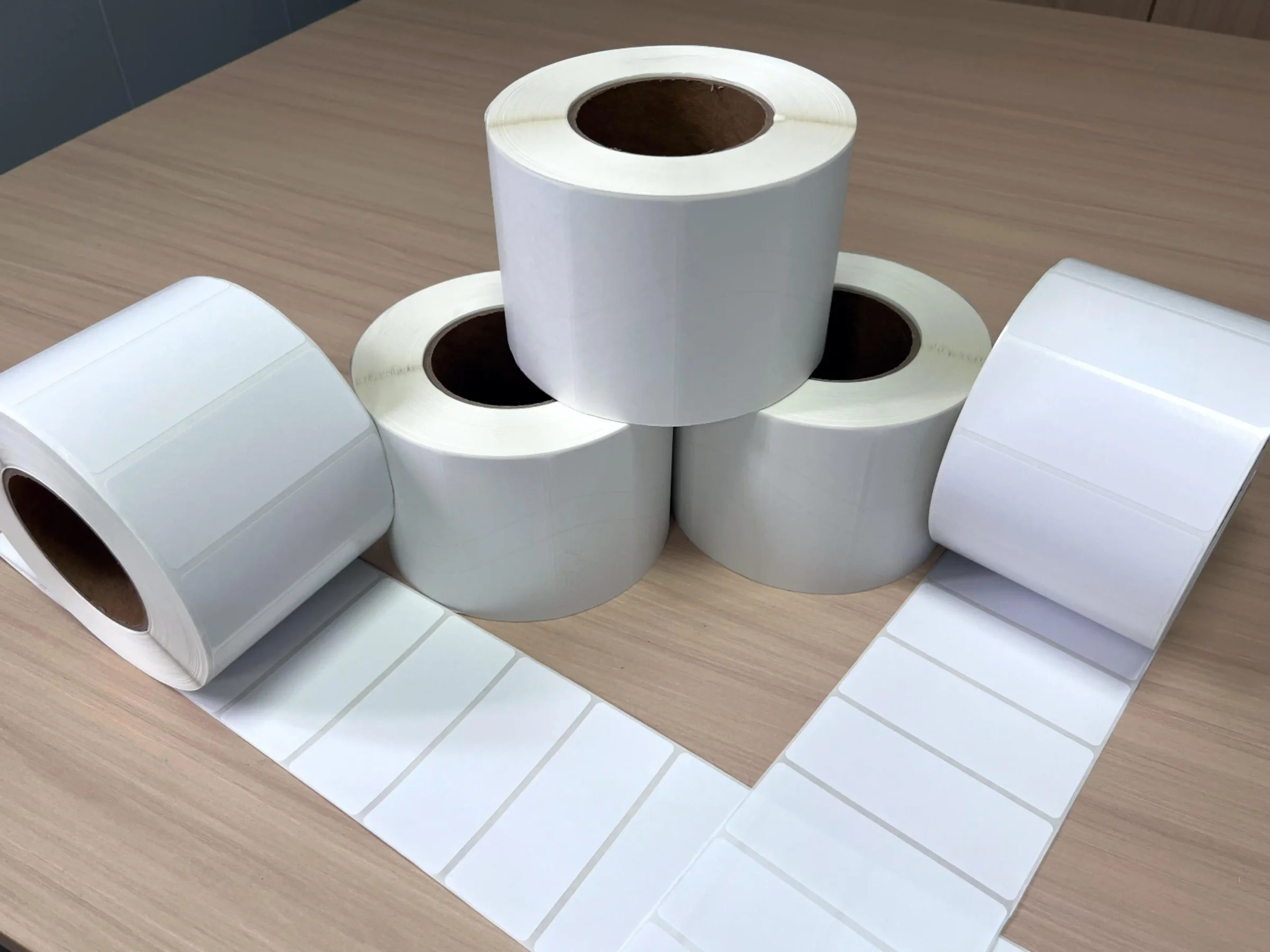
Cold-chain labels fail when buyers approve the size but skip the environment. A label that works in a dry warehouse may lift on corrugated cartons in a chilled room, smear after condensation, or stop scanning after a freeze-thaw cycle. North American food, fulfillment, and cold-storage teams need a review method that starts with the surface and the temperature, not just the label drawing.
Define the real temperature case
Begin with two separate numbers: application temperature and service temperature. They are not the same. A label applied at room temperature and then stored in a freezer behaves differently from a label applied inside a cold room.
Use a simple case table in the project brief:
| Case | Application condition | Service condition | Buyer concern |
|---|---|---|---|
| Chilled storage | 2 to 8 deg C | 2 to 8 deg C | Moisture and carton surface hold |
| Frozen storage | -5 to -18 deg C | -18 deg C or below | Initial tack and long hold |
| Ambient to freezer transition | 20 deg C application | Down to -18 deg C | Adhesion after temperature drop |
Buyers should also record:
- Whether the product sees thaw-freeze cycles
- Whether condensation appears before or after labeling
- How long the label must stay readable: 7 days, 30 days, or longer
- Whether operators apply labels by hand or by print-and-apply equipment
Without that data, the supplier is only guessing at the adhesive route.
Match the adhesive to the surface
Surface type matters as much as temperature. Corrugated board, PE bags, PP packs, and reusable plastic totes do not behave the same way. The buyer should separate the project by substrate if needed instead of forcing one label to do every job poorly.
Check these points before approval:
- Surface material: corrugated, PE, PP, PET, or reusable tote
- Surface condition: dry, damp, frosted, or slightly dusty
- Label size and edge exposure
- Whether the pack curves or flexes during handling
- Whether the label will be removed later
If the program uses more than one surface, ask for separate sample sets. One approved label for smooth PP film does not automatically approve the same stock for rough corrugated cartons.
The cold-chain route should also include a printer review. Direct thermal paper may work for short-life chilled labels. Film or thermal transfer labels may be safer for longer storage or heavier abrasion. Compare the options on the freezer labels page and request trials through the samples page.
Run a barcode and handling trial
Do not approve cold-chain labels from a desktop print check alone. Buyers should run a short practical trial with the target printer, the target surface, and the actual storage path.
A useful trial plan includes:
- At least 20 to 30 printed labels per surface
- Labels applied at the real site condition
- One scan check after application
- One scan check after storage
- One visual check for edge lift, tunneling, or smear
Record these details during the test:
- Printer model and resolution
- Print darkness and speed
- Surface type
- Application temperature
- Storage temperature
- Time to first failure, if any
If the site uses handheld scanners, test at the operator's normal angle and distance. If the labels pass in the office but fail under gloves and condensation, the office test was not the right test.
Protect the approval with change control
Once a material works, the buyer should keep that approval tied to a named construction. Record the face stock, adhesive, liner, size, winding, print route, and test result under one item code. That item code should appear in purchasing records and on receiving documents.
The buyer should re-review the label when any of these change:
- A new surface or new pack format
- A lower application temperature
- A larger label size
- A switch from paper to film or from direct thermal to transfer
- A new printer route
Keep the trial note short and factual. The goal is not to write a long technical report. The goal is to make sure the next reorder uses the same material for the same job.
Teams that also need broader cold-storage packaging guidance can pair the label spec with the site's food and cold-chain page so operations and sourcing work from the same use-case description.
Frequently Asked Questions
When should buyers request trials on actual product surfaces?
Any time the label will go onto more than one surface, onto damp packs, or into freezer storage. Those cases are where desktop approval usually breaks down.
Is application temperature really different from service temperature?
Yes. A label can survive very low service temperatures and still fail if it is applied too cold or onto a wet surface.
Should one label be used for chilled cartons and frozen plastic packs?
Not by default. If the surfaces and temperatures differ, buyers should expect separate trials and possibly separate SKUs.
What is the most useful record after approval?
The most useful record is a short note that ties the approved construction to the tested surface, printer, temperature case, and barcode result. That note protects repeat orders.
Related Posts
Send Your Inquiry Today
Tell us the product, dimensions, material, quantity, and destination. We will review the right specification before quoting.
Submit your requirement