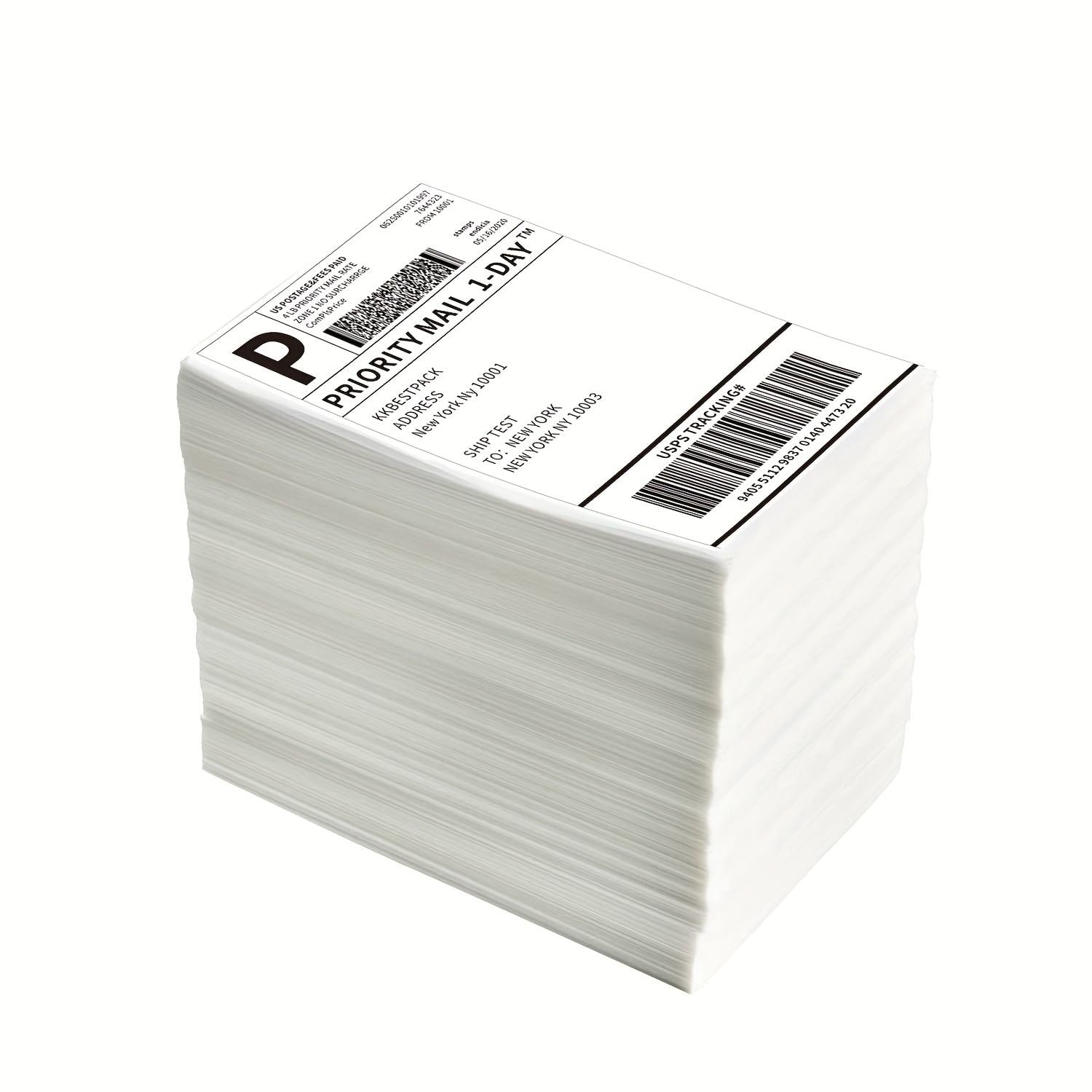
Food-contact label projects become risky when buyers treat one declaration as proof for the whole construction. A label is a stack of components. Face stock, adhesive, ink, varnish, and laminate may each carry different limits and different evidence. If your project serves the EU, Mexico, or both, the safer approach is to review the construction layer by layer and connect every document to the real use case before approval.
Split the construction into reviewable parts
Do not ask for a single "food contact certificate" and stop there. Ask the supplier to define what each document covers.
The buyer should review these parts separately:
- Face stock
- Adhesive
- Ink or ribbon chemistry where relevant
- Varnish or overlamination
- Release liner if the liner has any process relevance for the packed product
Create a short matrix in the approval file:
| Construction part | Document owner | What the document covers |
|---|---|---|
| Face stock | Supplier or converter | Base material scope |
| Adhesive | Supplier or converter | Intended contact condition |
| Ink or ribbon | Converter or printer route owner | Print-side limitation and use note |
| Lamination or varnish | Supplier or converter | Surface protection scope |
This prevents a common mistake: the buyer receives a declaration for the face stock and assumes the whole label is approved.
Define the actual contact condition
The document review only makes sense if the use case is clear. Buyers should state whether the label is for direct contact or indirect contact, and whether the packed product is dry, chilled, frozen, wet, or handled at room temperature.
Useful project notes include:
- Direct or indirect food contact
- Dry, moist, chilled, or frozen environment
- Temperature at application, such as 4 deg C or 20 deg C
- Expected storage period, such as 7 days or 30 days
- Whether the label goes onto the food pack, an inner liner, or an outer carton
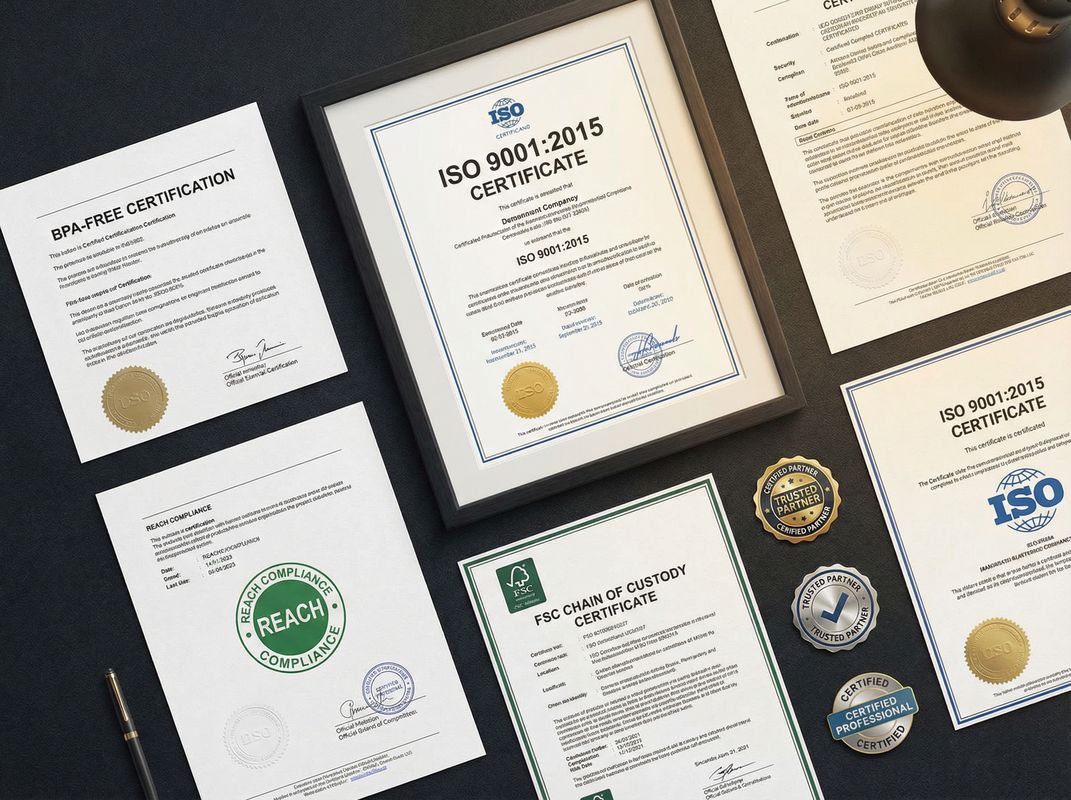
For EU projects, buyers often review destination requirements against Regulation (EC) No 1935/2004. For Mexico, use an official reference path such as the COFEPRIS portal when your internal team needs to confirm destination-specific review responsibilities. Those sources do not replace supplier evidence, but they help buyers frame the document request correctly.
Check destination evidence without overstating it
When a label program covers both the EU and Mexico, buyers should avoid broad statements like "approved for all markets". Instead, ask targeted questions:
- Which destination is this document intended to support?
- Which part of the label construction does it cover?
- What contact condition does it assume?
- Does the supplier identify the construction by code, grade, or sample ID?
Keep the review evidence-bounded. If the supplier can support the facestock and adhesive but not the printed ink layer for the same use case, record that gap and hold approval until it is resolved.
Use the internal compliance page to keep the document list organized. If the project also moves through cold storage, align the packaging use case with the food and cold-chain page before final sign-off.
Add a print and sample approval step
Document review alone is not enough. The label still has to print, scan, and hold on the real pack. Buyers should request sample approval for the actual printer route and actual substrate.
A practical approval file should include:
- Construction description
- Destination market
- Contact condition
- Label stock and adhesive type
- Printer model and print route
- Sample size and inspection plan
- Barcode or text readability result
- Adhesion trial note
- Batch number or lot number reference
- Final reviewer and review date
If the label is applied to flexible packaging or cold surfaces, run a short trial before production release. Samples requested through the samples page are more useful when the buyer provides the true pack surface and the intended storage path.
This is also where commercial discipline helps. If a buyer changes the surface, the storage condition, or the laminate after the first review, the approval should be reopened. That is not bureaucracy. It is change control.
Frequently Asked Questions
Is one declaration enough for the whole label?
Usually not. Buyers should confirm which construction layer the document covers and whether other layers need their own support file.
What if the project serves both the EU and Mexico?
Review the evidence by destination and by construction part. Do not assume that one broad statement covers all markets and all applications.
Should barcode and adhesion tests be part of the approval file?
Yes. A document set may look complete, but the label still has to print and stay attached under the real operating condition.
When should the buyer pause approval?
Pause when the document scope is unclear, when the destination is not defined, when a construction layer is missing support, or when the sample route does not match the intended pack surface.
Related Posts
Send Your Inquiry Today
Tell us the product, dimensions, material, quantity, and destination. We will review the right specification before quoting.
Submit your requirement