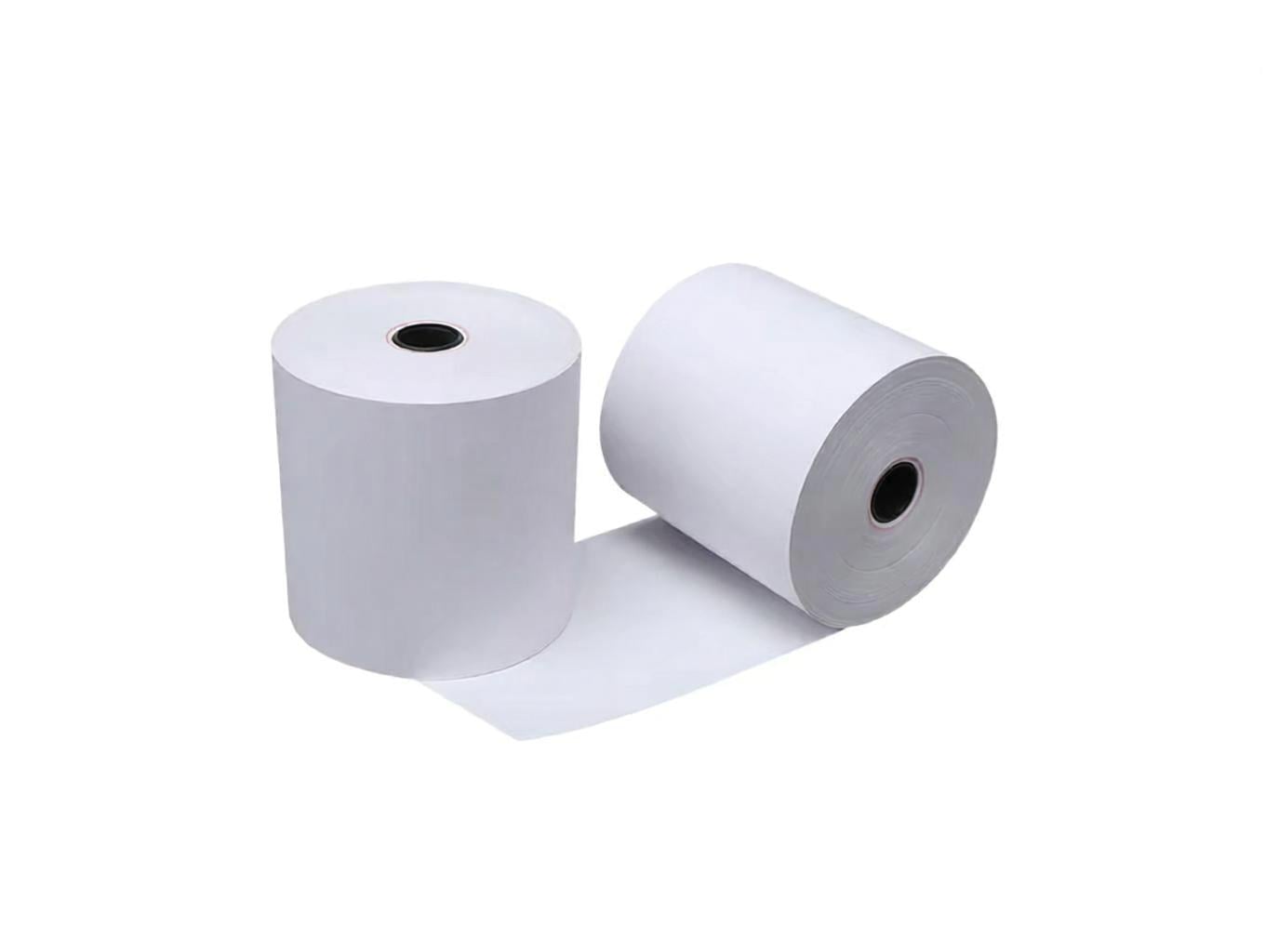
Receipt roll problems in Mexico retail projects usually start with sizing assumptions. Buyers know the current roll "looks like 80 mm", but they do not confirm the outer diameter, core size, winding, or carton mix before sending the RFQ. That creates price noise and store-level fit risk. This checklist is built for retail and payment-terminal teams that want a cleaner order brief before they compare suppliers.
Map every device before you consolidate demand
Mexico retail programs often combine front-lane POS printers, portable terminals, service counters, and back-office devices. Do not merge all of them into one roll line.
Build a device map first:
| Use case | Common roll size | Typical check |
|---|---|---|
| Main checkout POS | 80 x 80 mm | Confirm compartment OD and paper path |
| Compact counter printer | 80 x 70 mm | Check lower-capacity compartment |
| Portable payment terminal | 57 x 40 mm | Verify width and core from live sample |
| Queue or kiosk printer | 80 x 150 mm | Confirm spindle and maximum OD |
For each device group, record:
- Printer or terminal model
- Current roll width, OD, and core
- Winding direction
- Printable side
- Estimated monthly usage by store
If the buyer only has a used sample, measure it before sending the RFQ. A simple ruler and a core measurement give you better purchasing data than a guessed model number.
Turn store demand into a replenishment plan
Sizing and replenishment belong together. A roll that fits the printer may still be the wrong commercial choice if carton counts do not match store demand.
Buyers should define:
- Rolls per store per week
- Peak-season uplift
- Cartons per store drop
- Whether mixed-SKU cartons are acceptable
- Minimum reserve stock by region or DC
For example, a chain that consumes 120 rolls per week at a busy site may want 100-roll cartons and weekly replenishment. A smaller chain with mixed device sizes may need split cartons and clearer carton labels even if the unit price is slightly higher. That is a purchasing decision, not just a packaging detail.
The supplier should quote against the real replenishment pattern. If the project combines 80 x 80 mm and 57 x 40 mm rolls, list them separately and assign volume to each size.
Specify carton labels and receiving controls
Many roll programs run into problems after arrival because the cartons are hard to identify. Store and DC teams need receiving data on the outer box, especially when more than one size is in circulation.
Ask the supplier to print these fields on the carton label:
- Customer SKU
- Roll size
- Roll count per carton
- Lot number
- PO number
- Destination code or region code
If the project serves more than one DC, decide whether each pallet can contain mixed store allocations or whether pallets must stay single-SKU. Buyers should write that rule before production, not after the first shipment is packed.
You can cross-check physical options on the thermal paper rolls page and route final commercial requirements through the quote form.
Handle unknown legacy devices without stopping the RFQ
Legacy devices are common in retail estates. They should not freeze the whole buying process. Put them into a controlled fallback path:
- Collect photos of the printer label and current roll.
- Measure width, OD, and core from the live sample.
- Group the unknown units by matching roll size.
- Run sample approval on the uncertain group first.
This approach keeps the main RFQ moving while still protecting device fit.
If the project includes old portable terminals, request a few sample rolls before the first bulk order. A small sample round costs less than sending the wrong size to stores.
Frequently Asked Questions
What if the buyer does not know the printer model?
Start with the existing roll. Measure width, OD, and core. Add photos of the device and the loaded roll path. That gives enough information for a first sizing review and a sample request.
Should one RFQ combine POS rolls and terminal rolls?
Only if each size is shown as its own line item with its own demand and packing rule. Do not hide different device needs inside one total quantity.
Why do carton labels matter so much?
Because receiving teams use them to separate sizes quickly. Good carton marks reduce store transfer mistakes and cut time at the DC.
When should a buyer request samples before quoting is finalized?
When legacy devices are still unconfirmed, when one chain uses multiple printer families, or when the buyer suspects that the current roll size may not be the most efficient commercial option.
Send Your Inquiry Today
Tell us the product, dimensions, material, quantity, and destination. We will review the right specification before quoting.
Submit your requirement