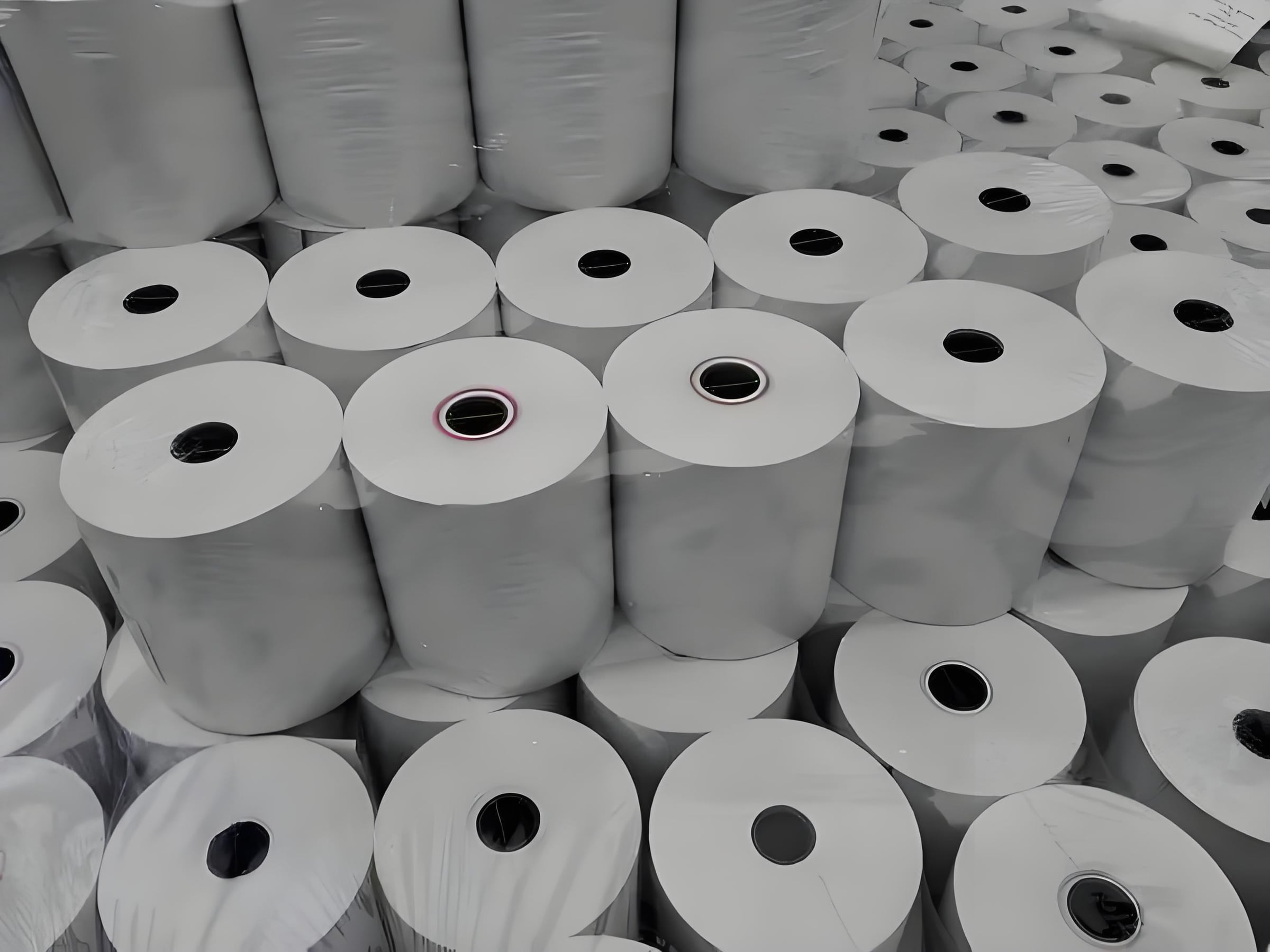
EU buyers do not need more paperwork. They need the right paperwork tied to the quoted paper grade. When a supplier claims that a thermal paper is phenol-free, the buyer should check whether the declaration, report scope, sample identity, and issue date all match the exact SKU being purchased. This review flow keeps the discussion practical and helps procurement teams release the right grade with fewer follow-up questions.
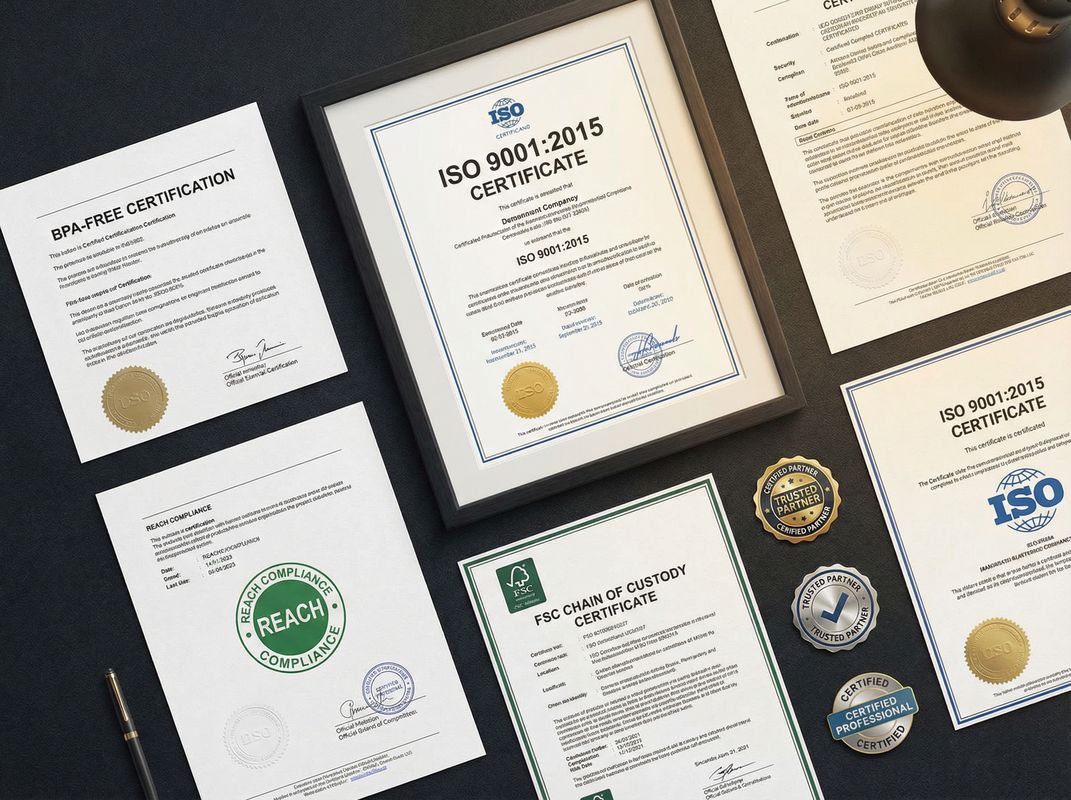
Ask for a document set that matches the order
Start with the commercial item code, then build the document request around that code. A supplier declaration that covers "thermal paper series" is weaker than a document that names the exact grade, coating system, or sample ID used for your quote.
For an EU review file, request:
- Supplier declaration naming the exact grade
- Test report or analytical report with sample ID
- Issue date and issuing party
- Internal approval note or buyer review note
- Batch or lot traceability format used on shipments
If the buying policy mentions restricted substances, check the legal references directly instead of relying on broad sales language. For thermal paper in the EU, buyers often start with Regulation (EU) 2016/2235. If the team also monitors substance lists, the current ECHA Candidate List is a useful reference point.
The supplier file should support the quoted grade, not replace grade control. If the declaration does not identify the product in a way that purchasing can match to the PO, ask for a corrected version before approval.
Match each document to the quoted grade
The most common buyer mistake is accepting a clean declaration that belongs to a different grade family. Before you approve anything, compare the document to the quote and to the sample label.
Use this matching checklist:
| Review item | What should match |
|---|---|
| Grade name | Quote, declaration, and sample label |
| Basis weight | For example 48 gsm, 55 gsm, or the quoted range |
| Sample ID | Test report and supplier file |
| Issue date | Recent enough for the current program |
| Basis weight or construction note | Commercial grade description |
| Batch or lot format | Shipment traceability process |
If the supplier offers both BPA-free and phenol-free grades, do not treat those as interchangeable. Ask which chemistry scope applies to the quoted grade and whether the report covers that exact construction. Procurement needs a direct answer here.
Buyers should also verify who issued the report. A third-party test report, a supplier self-declaration, and a distributor summary are not the same document. Each one has a place, but each one should be labeled correctly in the approval record.
A useful buyer note often records the exact support string used for release, such as grade TR55, 55 gsm, sample ID TP-240601, report date 2026-06-01, and lot number format printed on the carton label. Those details make it much easier to match the evidence to the order later.
Review scope, dates, and evidence quality
A valid document can still be weak if it is too old, too broad, or poorly identified. Review the support file like a sourcing record:
- Does the report date fit the current approval cycle?
- Does the report identify the tested sample clearly?
- Does the declaration name the covered grade or only a product family?
- Does the shipment label or COA allow batch-level traceability?
If the report is old, do not reject it automatically. First ask whether the grade formulation changed, whether the supplier can confirm continuity, and whether newer support is available. The buyer's job is to understand the evidence boundary, not to collect random PDFs.
Use the site's compliance page as the internal anchor for document requests, and push unresolved grade questions through the contact page before a scheduled release date gets too close.
When to hold approval and ask for new documents
Pause approval when:
- The declaration does not name the quoted grade
- The sample ID on the report cannot be linked to the quoted paper
- The supplier mixes chemistry terms without defining scope
- The issue date is outdated and no continuity statement is available
- Batch or lot traceability is missing
In those cases, buyers should send a short correction request. Ask for the exact grade name, exact sample identity, updated issue date if needed, and a clear statement of what the document does and does not cover. A short, precise request usually works better than a long legal-sounding email.
Keep your internal approval note practical. Record the grade, supplier, document names, issue dates, review date, reviewer, and any follow-up condition. That is enough to support release and future reorders.
Frequently Asked Questions
When should an older lab report be rejected?
Reject or re-request it when the report cannot be tied to the quoted grade, when the issue date falls outside your approval comfort zone and no continuity statement exists, or when the supplier cannot explain whether the formulation stayed the same.
Is a supplier declaration enough on its own?
Sometimes it supports approval, but it should still match the quoted grade clearly. Buyers usually want the declaration plus a supporting report or traceable technical file.
What if the supplier uses several chemistry terms in one email?
Ask the supplier to map each term to the exact grade in the quote. Do not approve until the scope is clear.
What should be stored in the buyer's approval file?
Keep the quote, the declaration, the report reference, the reviewer note, and the rule for batch traceability in one place. That is the core record for repeat orders.
Related Posts
Send Your Inquiry Today
Tell us the product, dimensions, material, quantity, and destination. We will review the right specification before quoting.
Submit your requirement